


If you are looking for a simple but impressive crustless cheesecake, without a long list of ingredients, this recipe is for you. It works beautifully both for special occasions and for everyday serving.
Coffee regions around the world – where does coffee grow?
Although coffee is one of the most popular beverages globally, not all coffee is created equal. Its uniqueness is shaped by numerous factors, including the region where it’s grown, the climate, soil composition, and processing methods. Coffee is cultivated in many regions worldwide, but some are particularly renowned for their exceptional quality and distinctive flavor profiles. But where exactly does coffee grow?
Coffee thrives in what is known as the Coffee Belt, a region located between the Tropic of Cancer and the Tropic of Capricorn, where the climate is ideal for coffee cultivation. Here are the world’s major coffee-growing regions:
-
Latin America – Brazil, Colombia, Mexico, Peru, Guatemala, Honduras
-
Africa – Ethiopia, Kenya, Rwanda, Tanzania
-
Asia & Pacific – Vietnam, Indonesia, India, Papua New Guinea
-
Caribbean – Jamaica, Dominican Republic

Brazil is the world’s largest coffee producer, responsible for about 35–40% of global production, primarily of Arabica beans. Vietnam follows closely, leading in Robusta production. Colombia, despite producing a smaller volume, is one of the most recognized coffee-growing countries, famous for its high-quality Arabica. Ethiopia, known as the birthplace of coffee, is prized for its unique floral and fruity flavors, deeply embedded in its cultural traditions.
The Caribbean also produces coffee, though on a much smaller scale compared to South America and Africa. The most famous coffee from this region is Jamaican Blue Mountain, one of the most expensive and sought-after coffees in the world due to its exceptional balance and mild, complex flavors. Coffee is also grown in the Dominican Republic, Puerto Rico, and smaller islands like Haiti, Cuba, and Trinidad & Tobago. While Caribbean coffee production is limited, it enjoys a strong reputation among connoisseurs for its unique climatic conditions and distinctive taste.
Brazil – are all Brazilian coffees the same?
Brazilian coffee, much like the country itself, is incredibly diverse in both flavor and production methods. As the world’s largest coffee producer, Brazil supplies about one-third of global coffee demand, making it a key player in the coffee industry. But beyond sheer volume, Brazilian coffee stands out for its variety and distinct flavor profiles, influenced by region, processing methods, and growing conditions.
Brazil’s large-scale coffee farming is made possible through advanced mechanization. Coffee is grown at altitudes ranging from 600 to 1,200 meters above sea level, and the diverse climate and soil conditions contribute to beans with lower acidity and pronounced sweetness. The natural (dry) processing method is particularly popular in Brazil, enhancing deep chocolate and nutty notes that define classic Brazilian coffees.
However, Brazil is not only about traditional coffee—it’s also a hub for specialty coffee innovation. Advanced techniques like controlled fermentation allow for exotic flavor profiles beyond the classic Brazilian cup. Our Brazil Guima Café, a specialty coffee, is a perfect example of this modern approach, offering vibrant notes of mandarin, mango, pineapple, yellow fruits, wine, hazelnuts, and caramel. This unique combination showcases Brazil’s evolving coffee industry and its ability to produce extraordinary flavors.
Kenya – what makes Kenyan coffee stand out?
Kenyan coffee is celebrated worldwide for its bright acidity and complex flavor profile. Grown in East Africa’s ideal climate, in high-altitude regions like Nyeri County (1,500–2,200 meters above sea level), Kenyan coffee develops a unique character with bold, juicy flavors.
One of the defining features of Kenyan coffee is its washed (wet) processing method, which enhances clarity and brightness in the cup. This results in distinctive notes of citrus, red berries, caramel, honey, and tea-like sweetness, creating a multi-dimensional experience. Our Kenya Ndaroini AA TOP exemplifies these qualities with a vibrant mix of blackcurrant and rhubarb, balanced with caramel sweetness, delivering an intense and complex taste.
Kenyan coffee’s exceptional quality is a result of strict control at every production stage, from cultivation to processing. This meticulous approach ensures unparalleled freshness and flavor purity, making Kenyan coffee one of the most highly regarded in the specialty coffee world.
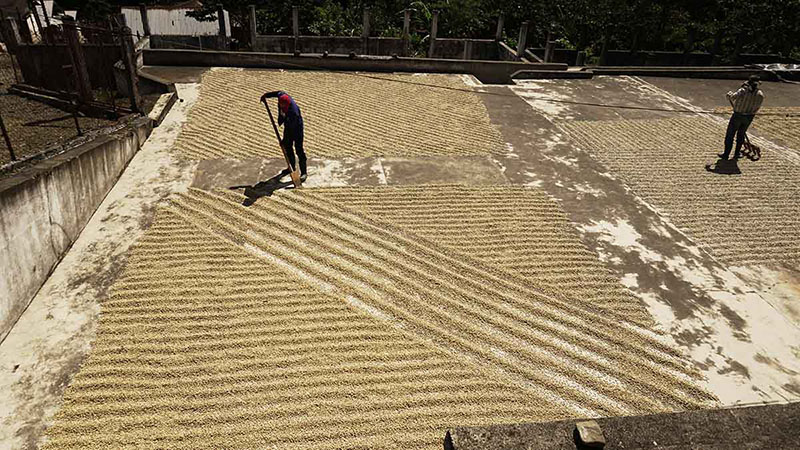
Ethiopian coffee – the birthplace of coffee
Ethiopia, often referred to as the cradle of coffee, has been cultivating coffee for thousands of years, offering some of the most aromatic and complex flavors in the world. According to legend, a 9th-century shepherd named Kaldi discovered coffee when his goats became unusually energetic after eating the red coffee cherries. While this is just folklore, Ethiopia remains the undisputed origin of Arabica coffee.
Ethiopian coffee is unique due to its genetic diversity, with countless wild Arabica varieties growing naturally. Most coffee here is cultivated on small, family-owned farms known as “garden coffee”, using traditional, organic methods.
Our Ethiopia Sidamo Bensa Kokosa, sourced from the Sidamo region (1,900–2,020 meters above sea level), showcases the rich, fruit-forward profile of Ethiopian coffee. Grown in iron-rich alluvial soils and a cooler climate, these beans develop vibrant complexity. Ethiopia is also home to other famous coffee regions like Yirgacheffe, Limu, Harrar, and Guji, each with distinct flavor characteristics—from the floral notes of Yirgacheffe to the bolder, fruitier flavors of Harrar.
Ethiopian coffee is processed using both natural (dry) and washed (wet) methods. Our Sidamo Bensa Kokosa, processed naturally, bursts with strawberry jam, delicate florals, and fresh citrus, highlighting the signature sweetness and depth of Ethiopian coffee.
Coffee culture in Ethiopia is deeply rooted in tradition. The Ethiopian coffee ceremony, known as “bunna”, is a social ritual where coffee is roasted, ground, and brewed by hand, symbolizing hospitality and community. Ethiopian coffee remains among the most prized in the world for its unparalleled flavor complexity and cultural significance.
Rwanda – the hidden gem of African coffee
Known as the “Land of a Thousand Hills,” Rwanda has gained international recognition for its high-quality coffee, distinguished by clean flavors and bright fruitiness. Most Rwandan coffee is grown in high-altitude regions (1,750–2,200 meters above sea level), where volcanic soil and a cool climate allow for slow cherry maturation, enhancing depth and complexity in the cup.
One of Rwanda’s most famous coffee regions is Gakenke, known for producing beans with mirabelle plum, berry, and delicate tea-like notes. Rwandan coffee is predominantly processed using the washed method, which ensures a crisp, well-defined flavor. However, Rwanda is also embracing experimental processing techniques, such as natural anaerobic fermentation, which can be found in our Rwanda Muhondo — a bold, fruit-forward coffee with intense sweetness and complexity.
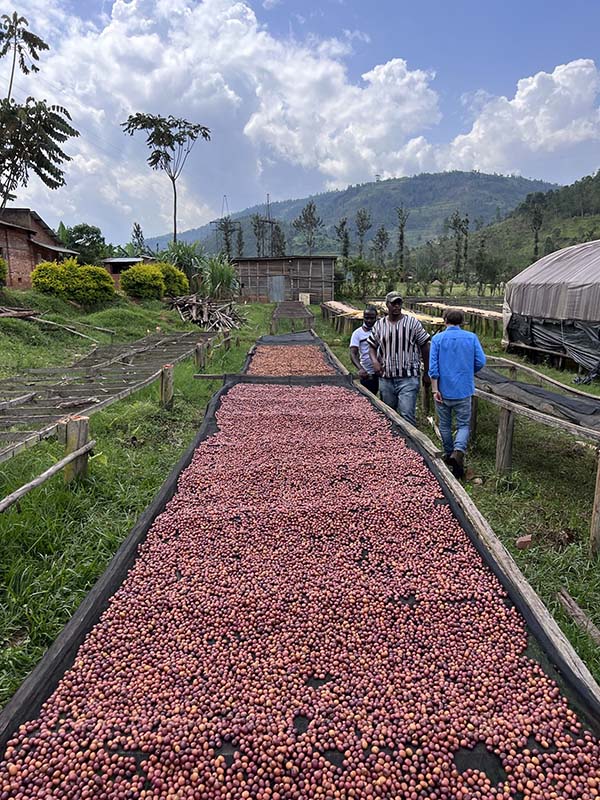
Rwanda’s coffee industry is built on smallholder farms, with many growers owning less than one hectare. Farmer cooperatives play a crucial role in securing fair market access and improving living standards. Rwanda’s dedication to specialty coffee is evident in its Cup of Excellence program, which has helped elevate the country’s reputation as a producer of premium coffee.
Coffee from Costa Rica – flavor, tradition, and innovation. Why should you try Costa Rican coffee?
Costa Rica has long been recognized in the coffee world. This small Central American country, known for its stunning landscapes and commitment to sustainable agriculture, produces some of the most balanced and aromatic coffees in the world. So, what makes Costa Rican coffee so special, and why is it so highly regarded by specialty coffee enthusiasts? Let’s explore the unique aspects of this remarkable coffee market, from its traditions and innovations to what makes every cup of Costa Rican coffee a memorable experience.
Only Arabica – high quality from the ground up
Costa Rica is one of the few countries where the government has banned the cultivation of Robusta coffee. For years, the country has exclusively produced Arabica coffee, ensuring a high-quality standard. Arabica beans are known for their complex flavors, higher acidity, and richer aroma compared to Robusta. As a result, Costa Rica has become synonymous with high-quality Arabica, and every bean grown here meets the highest standards.
Key coffee-growing regions in Costa Rica
Costa Rica offers a wide variety of flavors, depending on the region where coffee is cultivated. Here are some key regions worth knowing:
-
Tarrazu – One of the most famous coffee regions in the world. Tarrazu coffee is known for its bright acidity, with citrus, floral, and chocolate notes. Grown at elevations of up to 2,000 meters above sea level, this coffee boasts a complex and intense flavor profile.
-
Central Valley – A region offering more balanced and subtle flavors. Coffee from Central Valley often features fruit, nut, and chocolate notes. It is one of the oldest coffee-growing regions in Costa Rica.
-
West Valley – Coffee from this region is milder than Tarrazu's but equally complex. With distinct floral and fruity notes and a softer acidity, West Valley coffee is perfect for those who appreciate delicate flavors.
-
Brunca – Known for producing smooth, sweet coffees, making it a popular choice for those looking for a gentler cup.
Our Costa Rica Hacienda Sonora Milenio coffee, sourced from Central Valley, exemplifies the rich and complex flavor profile characteristic of the region. It features notes of sweet caramel, milk chocolate, apples, and nougat. The beans undergo natural processing, resulting in a coffee with pronounced sweetness balanced by delicate acidity. This harmonious profile makes it a favorite among connoisseurs looking for a smooth yet deeply aromatic cup.
Sustainable plantations and eco-friendly farming
Costa Rica is not only a country with a rich coffee tradition but also a leader in sustainable agriculture. Many plantations use eco-friendly farming methods, and both the government and local organizations actively invest in programs supporting sustainable agriculture. Initiatives like the Blue Flag Ecological Program reward plantations for their environmental efforts. Many Costa Rican coffee farms also hold Fair Trade, Rainforest Alliance, and organic certifications.
Micro-Mills – a path to better coffee
Costa Rica is known for its micro-mills – small, local processing facilities that give farmers full control over coffee processing. These allow producers to experiment with various processing methods, such as natural, honey, or washed, creating unique flavor profiles highly valued in the specialty coffee market. Micro-mills also increase farmers' earnings by enabling them to sell directly to buyers without intermediaries.
Honey processing – the sweet success of Costa Rica
Costa Rica pioneered the honey processing method, which involves removing the coffee cherry’s skin while leaving some mucilage intact. During drying, this mucilage ferments into a sticky, sweet layer, giving the coffee a distinctively sweet, fruity profile with lower acidity than traditionally washed coffees. Honey processing is widely used in Costa Rica and results in deeply flavorful, high-quality coffees.
ICAFE – Costa Rica’s coffee quality guarantee
Costa Rica is committed to ensuring the highest quality standards in its coffee industry. The Costa Rican Coffee Institute (ICAFE) plays a crucial role in monitoring and regulating production, processing, and export. Thanks to ICAFE’s efforts, Costa Rica continues to uphold its top-tier reputation in the specialty coffee market.
Coffee tourism – a must-experience adventure
Costa Rica is one of the best destinations in the world for coffee tourism. Many plantations offer “Coffee Tours”, where visitors can explore farms, learn about the entire cultivation and processing journey, and taste different coffee profiles. Regions like Tarrazu, Central Valley, and Monteverde attract tourists eager to learn more about coffee production and experience sustainable farming firsthand.
Conclusion – Costa Rica as a specialty coffee leader
Costa Rica stands out on the global coffee scene for its innovation, sustainable farming, and dedication to quality. The country offers a wealth of flavors and aromas that captivate coffee lovers worldwide. If you’re looking for coffee that blends tradition, elegance, and sustainability, Costa Rican coffee is a must-try.
Which coffee region will surprise you next?
While this article focuses on a few key countries, it’s important to remember other notable coffee-growing regions like Yemen, Colombia, Panama, Jamaica, Honduras, and Papua New Guinea. Each of these regions contributes something unique to the world of coffee, making it a truly diverse and fascinating industry.
Yemen – interesting place
Yemen, alongside Ethiopia, is one of the first places where coffee was cultivated and traded. As early as the 15th century, coffee was exported from the port of Mocha, giving rise to the famous Mocha coffee, now associated with rich, chocolatey notes.
Yemeni coffee is grown in harsh, mountainous conditions and is typically naturally processed, meaning the cherries dry in the sun, resulting in a complex, intense flavor profile with notes of dried fruits (figs, dates), spices (cinnamon, cardamom), chocolate, and florals. Yemeni Arabica beans come from ancient, wild coffee varieties, making them a rare and prized addition to the specialty coffee world.
Colombian coffee
Colombia is one of the largest coffee producers globally, known for high-quality Arabica. Grown at elevations between 1,200 and 2,000 meters above sea level, Colombian coffee develops a bright acidity, citrus and fruit notes, and a smooth chocolatey finish. Coffee from regions like Huila, Nariño, and Antioquia is particularly esteemed in the specialty coffee market.
Panama – home of the Geisha variety
Panama may produce coffee in smaller quantities, but it is world-famous for its Geisha variety, particularly from the Boquete region. Originally from Ethiopia, Geisha coffee gained international fame in Panama due to its delicate floral notes, intense fruitiness, and high acidity, making it one of the most exclusive and expensive coffees in the world.
Indonesia – unique and earthy coffee profiles
Indonesia, particularly Sumatra, is known for its earthy, full-bodied coffees with notes of spice, chocolate, and herbs. Coffee from regions like Aceh and Mandheling often undergoes wet-hulled (Giling Basah) processing, giving it a heavy, rich taste distinct from other origins.
Guatemalan Coffee – grown in volcanic soil
Guatemala is another country known for producing exceptional coffee. Regions such as Antigua and Huehuetenango are famous for their bright acidity, fruity notes, and rich spice aromas.
Guatemala’s diverse geography and climate allow for the cultivation of coffee with unique flavor profiles depending on the region. Coffee is grown at high altitudes, often on volcanic soil, which enhances the development of complex aromas and flavors. These mineral-rich soils directly influence the quality and intensity of Guatemalan coffee.
Most Guatemalan coffee is grown at elevations of 1,200 to 2,000 meters above sea level, allowing the cherries to mature slowly. This extended ripening period results in more complex and refined flavors, a characteristic highly prized in specialty coffee. The high-altitude conditions contribute to bright, vibrant acidity balanced by sweetness and a rich flavor profile. One of the most defining aspects of Guatemalan terroir is its volcanic soil. Regions such as Antigua and Atitlán are located near active volcanoes, and the volcanic ash provides essential nutrients that enhance flavor intensity and depth.
The washed (wet) processing method dominates in Guatemala, ensuring clean flavors and pronounced fruity notes.
Coffee is one of Guatemala’s most important export commodities, and coffee farming plays a crucial role in the country’s economy. Production supports thousands of rural families, and Guatemala has a long-standing coffee-growing tradition. The country also runs numerous sustainability programs, aimed at environmental protection and supporting local farming communities.
Guatemalan coffee stands out for its exceptional balance of bright acidity, rich sweetness, and complex aromatics. It often features chocolate, caramel, and spice notes, alongside citrus and stone fruit flavors. Thanks to its diverse microclimates, every Guatemalan coffee offers a unique flavor experience, making the country one of the most important producers of specialty coffee.
Papua New Guinea – a hidden coffee gem
Papua New Guinea (PNG) produces some of the most distinctive coffees in the world, thanks to unique growing conditions and vibrant flavor profiles. Grown at high altitudes, mainly on small, family-owned farms in the Eastern Highlands, PNG coffee benefits from volcanic soil and a tropical climate.
Most coffee from Papua New Guinea undergoes washed (wet) processing, which enhances its clean flavors and bright fruit notes. The cup profile is typically full-bodied and rich, with tropical fruit, berry, and spice notes, often featuring a creamy texture and layered acidity.
Grown using traditional, chemical-free methods, PNG coffee retains its authentic, natural character, making it highly sought after among specialty coffee lovers.
The importance of origin in specialty coffee
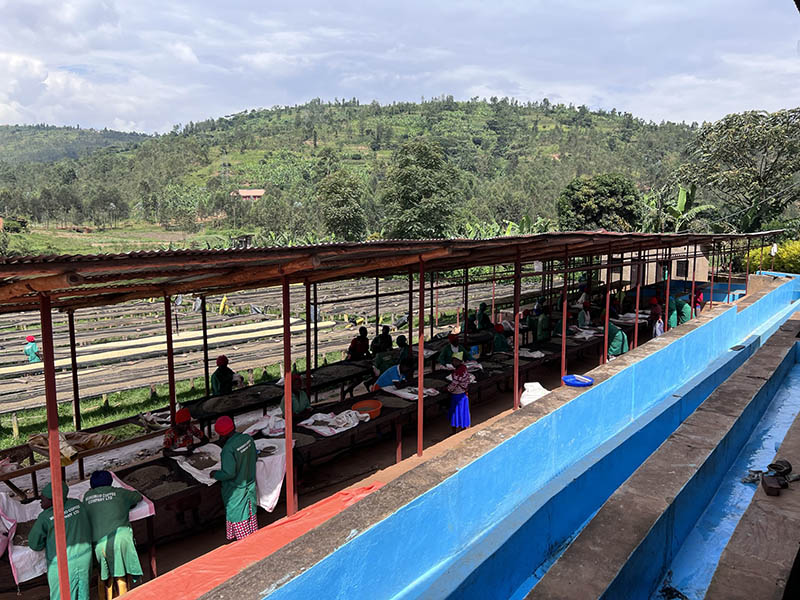
When choosing specialty coffee, origin matters — where coffee is grown plays a significant role in shaping its unique taste and aroma. Whether you prefer coffees with fruity, floral notes or deeper, chocolatey flavors, exploring different coffee regions around the world is a journey that offers unforgettable sensory experiences.
