


If you are looking for a simple but impressive crustless cheesecake, without a long list of ingredients, this recipe is for you. It works beautifully both for special occasions and for everyday serving.
What is coffee roasting and what are its types?
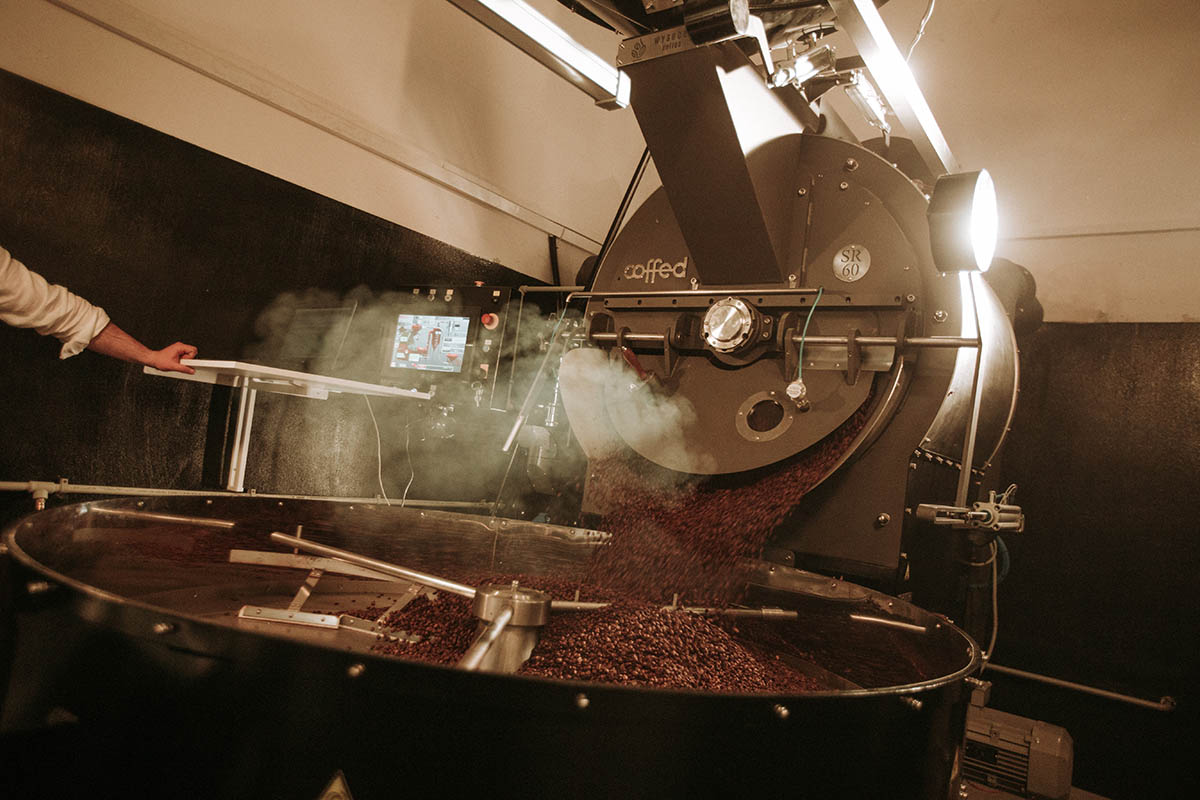
Roasting is a key process that determines the final taste and aroma of coffee. It involves exposing raw coffee beans to high temperatures, triggering chemical transformations that change their color, flavor, and fragrance. The level of roasting directly impacts the coffee's taste profile—whether it will be delicate and fruity or bold and rich with chocolatey notes. By understanding different roast levels, you can tailor your coffee choice to your personal preferences and brewing method.
What does the roasting level indicate?
The roast level defines how much heat the beans have been exposed to and for how long. This process significantly influences the final flavor, ranging from bright, fruity notes to deep, smoky undertones.
Light roast coffee
Lightly roasted coffee is characterized by a light brown color and a dry, matte texture. The roasting process occurs at temperatures between 190°C and 210°C, preserving the beans' natural flavors and aromas. These beans do not develop surface oils, which only appear at longer roasting times.
During roasting, the beans undergo the first crack at around 200°C, a sound similar to popcorn popping, indicating that they have reached the light roast stage. Because the process is short, it enhances vibrant, fruity and floral flavors while maintaining high acidity. Light roast coffee is often mistaken for being sweeter, but in reality, its most prominent characteristic is a bright, citrus-like acidity. Depending on the beans’ origin, you may notice fresh and lively notes of berries, citrus, or tea-like delicacy.
Due to its higher acidity, light roast coffee is best enjoyed black, as milk or sugar can disrupt its delicate flavor balance. It is particularly well-suited for pour-over methods, such as Chemex, V60, or AeroPress, which highlight its intricate taste.
Medium roast coffee
A medium roast is an excellent choice for those seeking a balanced flavor profile. These beans have a medium-brown color with little to no surface oil. Roasted between 210°C and 221°C, medium roast coffee retains a good balance of acidity, sweetness, and bitterness. The roasting process is usually stopped before the second crack, preserving the coffee’s natural complexity while adding depth.
Also known as City Roast, American Roast, or Breakfast Roast, this roast level combines subtle caramel and nutty flavors with delicate fruity undertones. Depending on the origin, flavors may range from berries and citrus to chocolate and toasted almonds. Medium roast coffee is widely loved for its versatility, making it a great choice for both black coffee and milk-based drinks.
Dark roast coffee
Dark roast coffee offers a bold, intense flavor and is favored by those who enjoy strong, full-bodied coffee. These beans have a dark brown or almost black color with a shiny, oily surface due to prolonged roasting. Roasted at temperatures between 221°C and 248°C, dark roast coffee reaches the second crack, which breaks the beans’ cellular structure, leading to a rich, smoky profile.
Commonly labeled as French Roast, Italian Roast, or Espresso Roast, dark-roasted beans have low acidity and a distinctive bittersweet chocolate, caramelized sugar, and toasted nut flavor. While they lack the bright, fruity complexity of lighter roasts, they provide a smoother, more robust taste with a thick body.
Dark roast coffee is particularly well-suited for espresso machines, Moka pots, and French presses, as its strong flavors hold up well in concentrated brews and milk-based beverages like lattes and cappuccinos.
How does the roast level affect coffee flavor?
The roast level directly influences the coffee’s taste and aroma:
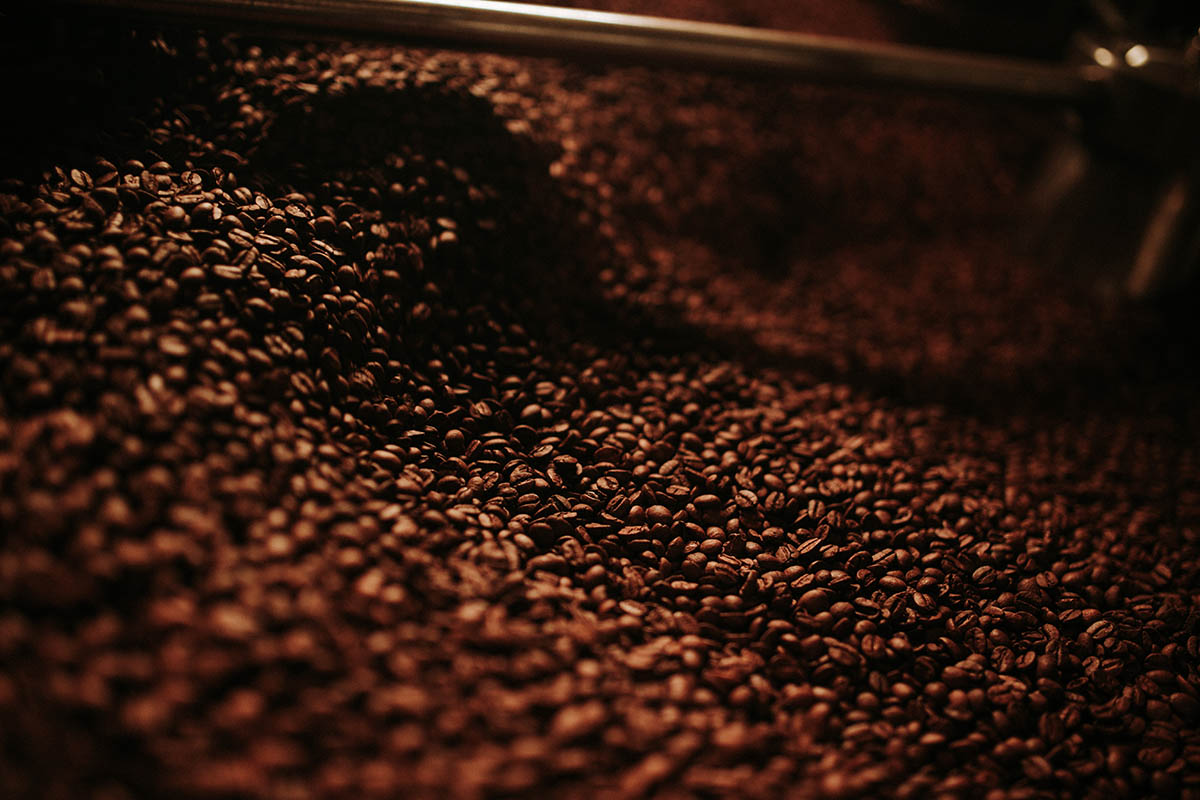
- Light roast enhances fruity and floral notes with a pronounced acidity and delicate sweetness.
- Medium roast strikes a balance between sweet, nutty, and fruity flavors, making it one of the most versatile choices.
- Dark roast delivers a bold, smoky, and bittersweet taste, ideal for those who prefer a stronger coffee experience.
What is the most popular roast level?
The medium roast is the most commonly chosen because it maintains the beans’ natural complexity while introducing richness and balance. It works well for various brewing methods, from espresso to drip coffee, making it a go-to option for many coffee lovers. Medium roasts also cater to a broad audience by combining approachable sweetness with mild acidity and a smooth body.
What is a coffee "crack"?
During roasting, coffee beans undergo two cracks, which help roasters determine the roast level:
- First crack: This occurs at around 200°C, producing a popping sound as the beans expand. It marks the beginning of the light roast stage, where the coffee is still highly acidic and retains its original flavors.
- Second crack: At higher temperatures (around 225–230°C), the beans crack again, releasing oils to the surface and developing bold, smoky flavors. This stage signals dark roasting, leading to a deeper, caramelized taste.
Roasting beyond the second crack results in overly burned flavors, reminiscent of charcoal.
Which roast level should you choose?
The ideal roast level depends on your taste preferences, brewing method, and coffee experience:
- If you enjoy bright, fruity, and tea-like flavors, go for a light roast and brew it using pour-over methods like V60, Chemex, or AeroPress.
- If you prefer a balanced and smooth taste, choose a medium roast, which works well in drip coffee makers, French presses, and espresso machines.
- If you love strong, bold coffee with a deep, smoky profile, opt for a dark roast, which is perfect for espresso, Moka pots, and milk-based drinks.
Regardless of your choice, experimenting with different roast levels will help you discover the coffee that best suits your preferences.
