


If you are looking for a simple but impressive crustless cheesecake, without a long list of ingredients, this recipe is for you. It works beautifully both for special occasions and for everyday serving.
Proper storage of green coffee is critical to preserving freshness and quality. When green beans are exposed to excess humidity, heat or light, they lose freshness more quickly, develop defects and, in some cases, even mould. In this context, “ageing” describes a natural, irreversible deterioration that lowers quality.
At the same time, the market now features more and more deliberately aged coffees, and barrel-holding has gained popularity across the industry. So what are these coffees, and what’s really going on? Read on for a clear explanation of aged coffees.
Definition and purpose of ageing
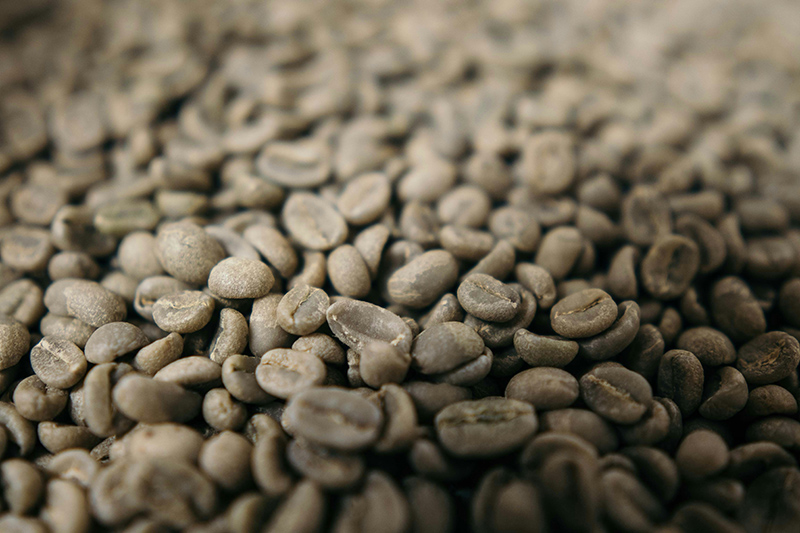
“Aged coffee” is green (unroasted) coffee purposely matured for weeks or months under controlled storage conditions to reshape the sensory profile—typically to reduce perceived acidity, increase body and introduce particular flavour notes. This is fundamentally different from beans that are simply old. Deliberate ageing is about control—time, humidity, airflow and sensory monitoring—rather than accidental staling or uncontrolled oxidation.
Where did the idea come from?
The first instances of “ageing” were entirely unintentional—like many discoveries, they happened by chance. Coffee transported by sailing ships from India and Indonesia to Europe spent months at sea, absorbing humid, salty air, losing its lively acidity and developing a heavier mouthfeel. This revealed how external conditions and time can reshape flavour and aroma. From that history emerge today’s styles such as:
- Old Brown Java (Indonesia): beans “rested” in warehouses for one to three years.
- Monsooned Malabar (India): beans exposed seasonally to monsoon winds in airy warehouses.
Nowadays, instead of leaving it to chance, exporters and roasteries use defined storage protocols with regular sensory assessment.
Ageing versus “just old” — the key differences
At first glance they may seem similar, but the differences are substantial.
- Controlled ageing keeps beans in suitable conditions—typically a relative humidity of around 50–70% (depending on method), stable temperature and steady airflow—with the explicit aim of shaping flavour.
- Beans that are simply old have sat too long without a plan (too warm, too dry or too humid), leading to the loss of volatile aromatics, papery or musty notes and weak extraction. This should never be confused with true “aged coffee”.
Methods and practices used to age coffee
Warehouse ageing
Green coffee is stored in jute bags or in packaging that moderates moisture exchange (e.g., barrier-lined sacks) and held for around 6–24 months. Lots are periodically turned, kept well ventilated and monitored for bean moisture (commonly targeted around 10–12%) and water activity (often ~0.45–0.60 aw to limit microbial risk and excessive change). Control cuppings are carried out every few to several weeks.
“Monsooning” (monsooned coffee)
This India-specific method spreads beans in layers within airy warehouses for several weeks to a few months, exposing them to humid monsoon winds. The beans become larger, paler and matt; the cup is low in acidity, heavy in body, with cereal-nut tones. Constant turning and careful oversight are essential to prevent mould.
Barrel holding
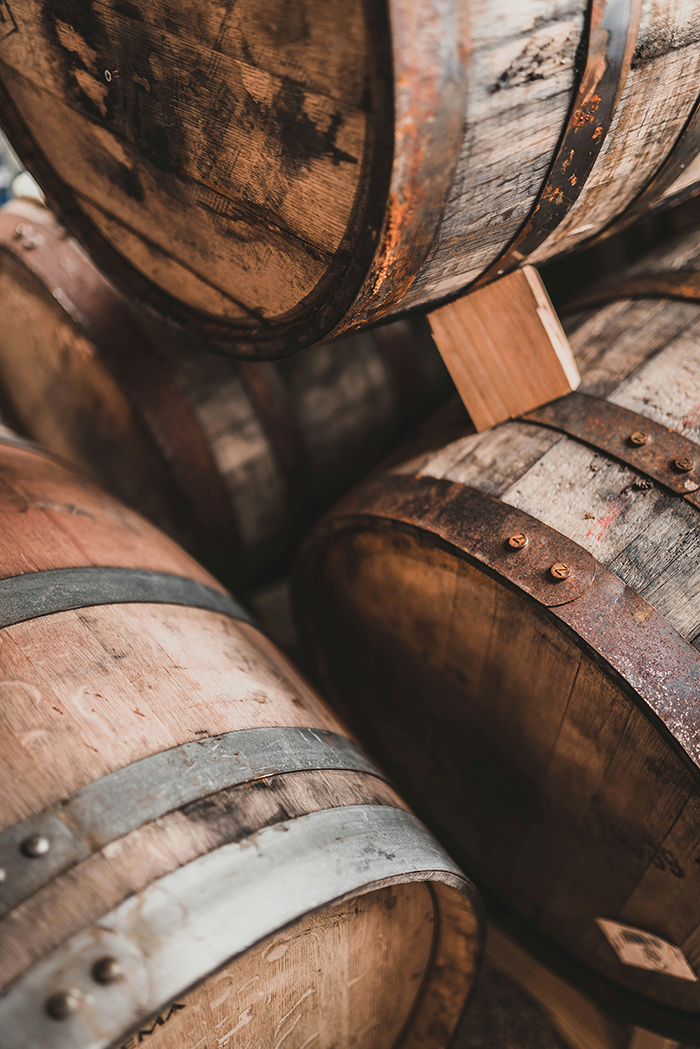
Green coffee is placed in casks previously used for rum, whisky or wine. The primary effect is aromatic infusion from the wood and residual spirit, with some profile change driven by humidity fluctuations. The risks are overbearing barrel notes and uneven results between sacks. This is better viewed as an experimental technique than a classic ageing method—yet, handled well, it can produce genuinely delightful results.
As a rule of thumb, coffees processed as natural or honey often tolerate longer ageing better than very clean, fully washed lots—though there are exceptions. Outcome depends on the specific lot and the storage regime.
What happens to the beans? Physical and chemical changes
During ageing several things typically occur:
- Perceived acidity decreases, as the proportion of fresh, volatile acidic compounds declines.
- Body and viscosity increase, in part due to changes involving polysaccharides and lipids.
- Slow lipid oxidation progresses; pushed too far, this yields papery, woody or rancid notes.
- Water activity and moisture determine the pace and direction of change. Excess humidity and warmth raise the risk of mould and quality loss; too little moisture can make beans brittle and the cup flat.
The flavour profile — what to expect
Aged coffees usually present lower acidity, a fuller body, and notes of nuts, cereals, baking spices, tobacco, wood and leather. Monsooned styles can add earthy impressions and a hint of “salty breeze”. Some drinkers find these profiles attractive and “old-school”; others perceive them as muted next to bright, fruit-forward single origins.
Challenges for roasteries — quality control, safety and roasting
Professional ageing demands:
- Stable, cooler storage temperatures, avoiding fluctuations.
- Control of ambient relative humidity and bean moisture (about 10–12% is a broadly safe zone for arabicas).
- Ventilation without condensation.
- Microbiological monitoring.
- Scheduled cuppings and documented decisions—when to continue, when to stop, when to reject part of the lot.
Aged lots may show different moisture and water activity compared with fresh coffee, be more brittle, or release moisture more slowly in the dryer phase. In practice this often calls for:
- A more measured drying phase, controlling the rate to avoid uneven heating.
- Careful management from first crack into early development, to prevent “choking” or scorching.
- A shorter, more decisive development to maintain a clean profile and avoid papery notes.
Is aged coffee worth it?
Ageing naturally incurs higher storage costs, mass losses and a real risk of rejecting part of a lot if something goes wrong—so a price premium is common. Yet when executed well, ageing can deliver genuinely distinctive flavours and aromas, giving drinkers the chance to experience uniquely characterful coffees that stand apart from the everyday.
