


If you are looking for a simple but impressive crustless cheesecake, without a long list of ingredients, this recipe is for you. It works beautifully both for special occasions and for everyday serving.
Filter coffee – also known as drip or pour-over – is making a global comeback. Once associated mainly with bulky home machines from the 1980s, it’s now enjoying a renaissance in speciality cafés and the homes of conscious consumers. In this article, we’ll explore where filter coffee is most popular – and how it fits into the wider culture of coffee drinking around the world.
What exactly is filter coffee?
Filter coffee is a brew made by pouring hot water over ground coffee placed in a filter – usually paper. The water slowly passes through the grounds, extracting flavour along the way, and drips into a vessel below. The result is a clean, light cup with a distinct flavour profile.
Popular tools for brewing include the Chemex, Hario V60, Kalita Wave, and classic drip machines like the Aroma Boy, Melitta, or Moccamaster.
Unlike espresso, filter coffee highlights the gentle, fruity, and complex notes of the beans – making it especially well suited to showcasing speciality coffee.
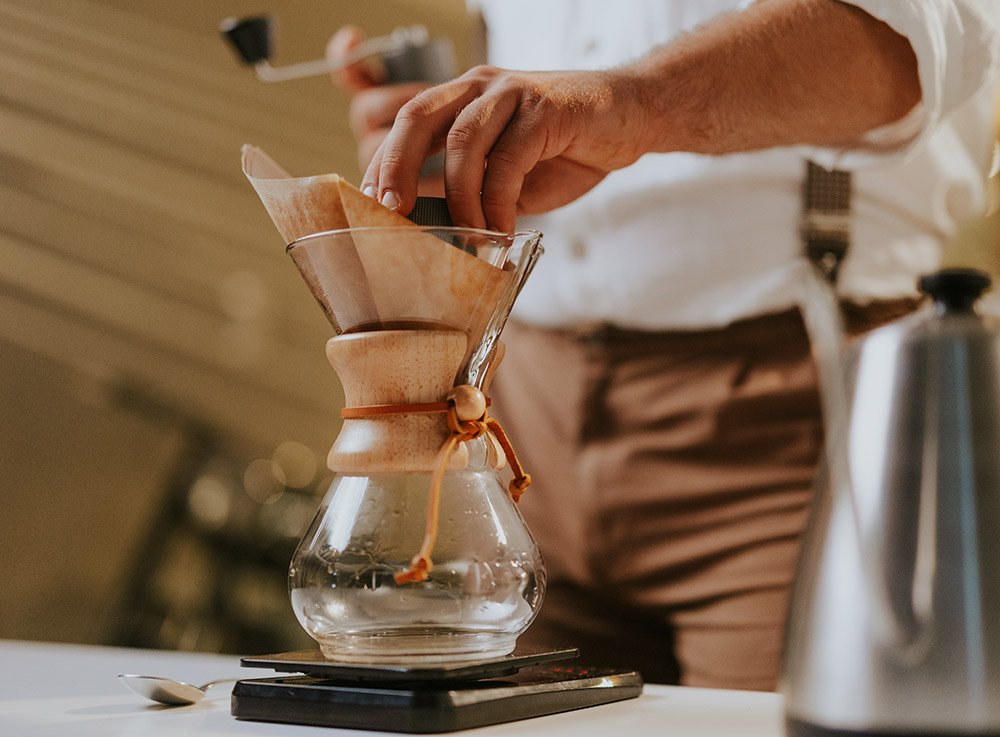
USA – the home of the drip
The United States has long led the world in filter coffee consumption. According to the National Coffee Association, it remains the most popular home brewing method in America – beating espresso by a mile. And even among younger drinkers (ages 18–24), pour-over is gaining traction thanks to creative new interpretations in speciality cafés.
Japan – a nation of precision and ritual
Japan hasn’t just embraced filter coffee – it’s elevated it to an art form. The iconic Hario V60 was born in Tokyo in 2004 and has since become the world’s most popular dripper. In the past five years, Hario’s export of brewing gear has grown by over 30%, reflecting the global demand for Japan’s meticulous approach.
Coffee culture in Japan blends craftsmanship with mindfulness: every gram, every degree, and every drop matters. At cafés like Blue Bottle, % Arabica, and Koffee Mameya in Tokyo, pour-over coffee is made by hand and served like a crafted experience.
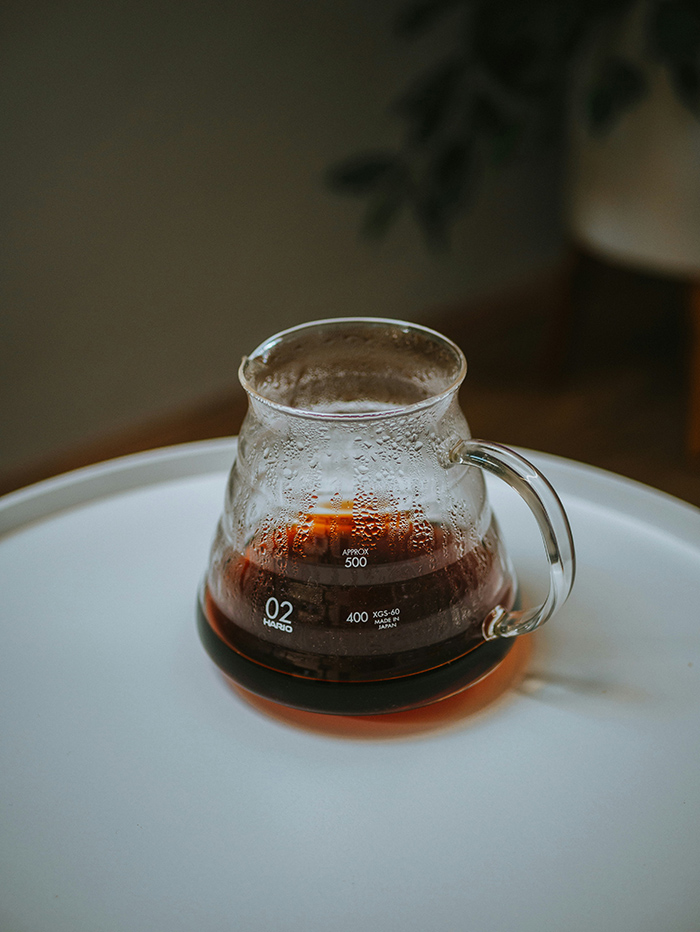
Scandinavia – daily rituals and light roasts
Norway, Sweden, and Finland top global coffee consumption charts – and nearly all of it is filter coffee. While electric brewers dominate homes, manual drippers are growing in popularity.
Scandinavians favour light roasts with fruity notes and low bitterness – a perfect match for pour-over brewing. And beyond the taste, coffee plays a key cultural role: the Swedish “fika” or Norwegian “kaffepause” is more than a break – it’s a social ritual.
South Korea – where slow coffee meets design
Once dominated by instant coffee, South Korea has seen a massive boom in speciality coffee over the past decade – and filter brewing is at its core. It’s estimated that Seoul alone is home to over 18,000 cafés, many of which offer beautifully brewed pour-overs.
Korean baristas regularly win international competitions like the Brewers Cup, and the local love for “slow coffee” – often enjoyed in minimalist, Instagram-ready cafés – continues to shape global trends.
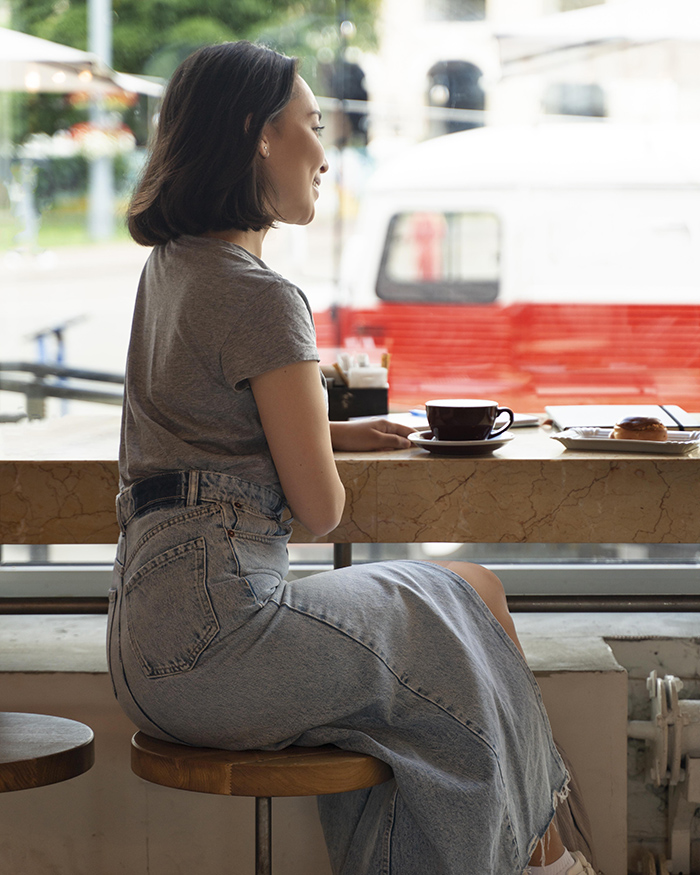
What about continental Europe?
In Central and Southern Europe, espresso and moka pots still reign supreme. Filter coffee lacks deep cultural roots here, but that’s slowly changing. In countries like Poland, Germany, the Czech Republic, and even Italy, more and more speciality cafés are serving V60s alongside the classics.
Interestingly, for many coffee lovers in these regions, pour-over is the gateway into the world of speciality coffee – offering a nuanced, educational taste experience across origins like Ethiopia, Guatemala, or Colombia.
Why filter coffee works so well with speciality beans
- Precision: You can control every variable – from water temperature and grind size to flow rate and contact time.
- Clarity: The brew is clean, making it easier to detect subtle flavours and aromas.
- Mindfulness: The process itself becomes a ritual – one that invites focus and appreciation.
For many baristas and coffee lovers, pour-over brewing is the ultimate test of bean quality and brewing skill.
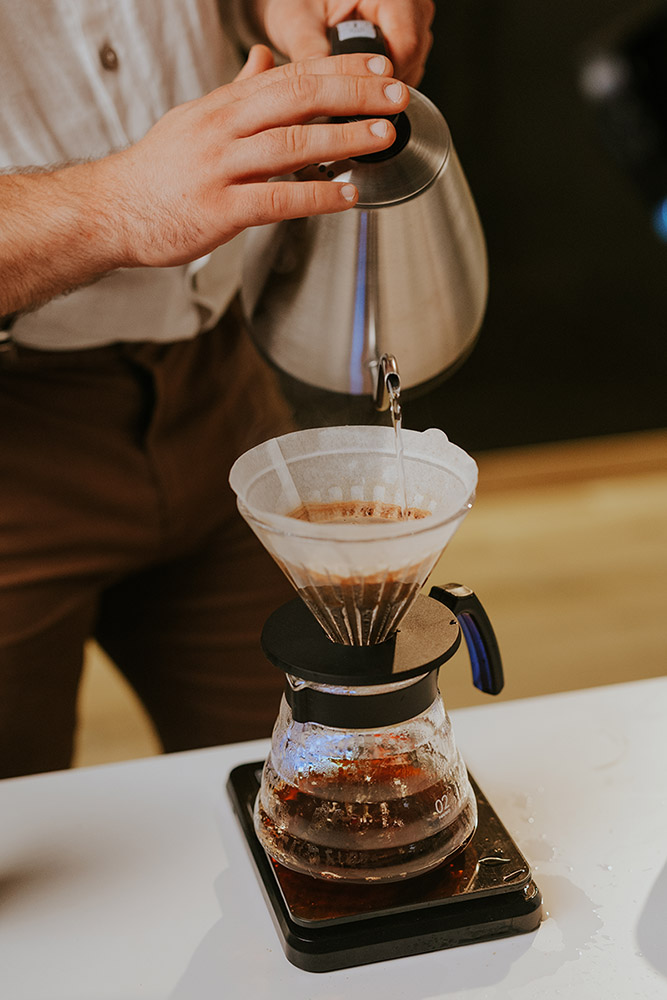
Trends & stats
- In the US, filter coffee remains the top home brewing method (around 41% of consumers – NCA data).
- Finland leads the world in coffee consumption: over 12kg per person annually – mostly brewed as filter.
- Sales of pour-over gear like Hario drippers and digital scales are growing by 15–20% annually (SCA estimates).
- Google Trends shows that global searches for “how to make pour-over coffee” have been steadily rising since 2020.
Final brew: a global pour-over renaissance
Filter coffee isn’t just a brewing technique – it’s a way of approaching coffee. From Tokyo and Oslo to Portland and Seoul, pour-over has become a symbol of slow living, flavour precision, and coffee appreciation. If you haven’t given it a go yet – maybe now’s the time to start?
