


If you are looking for a simple but impressive crustless cheesecake, without a long list of ingredients, this recipe is for you. It works beautifully both for special occasions and for everyday serving.
Coffee species
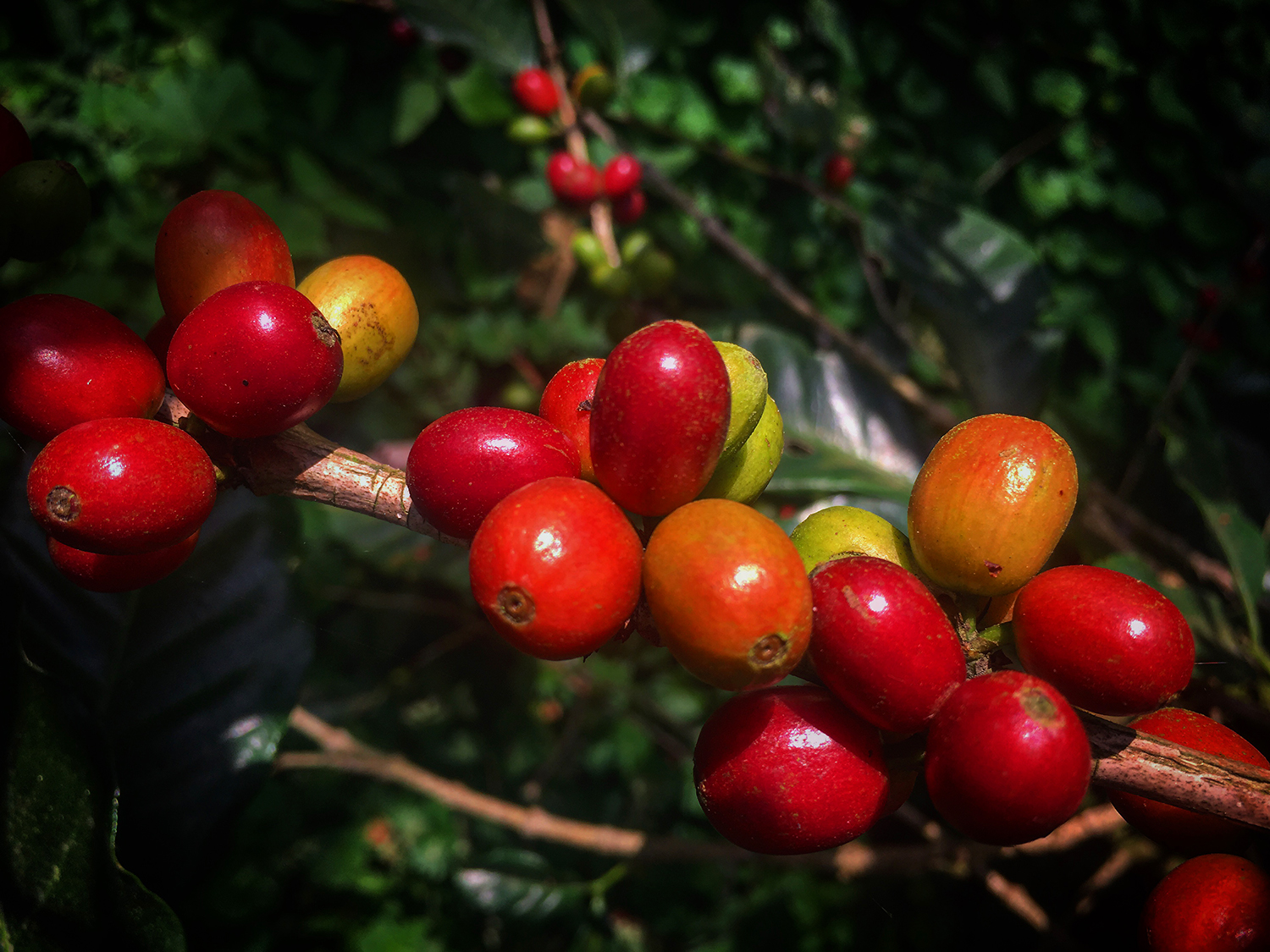
There are over 100 species of coffee worldwide, but two dominate the market, accounting for over 90% of global coffee production: arabica and robusta. Other lesser-known or regionally significant species include liberica (Coffea liberica), which makes up about 2% of global production, as well as rarer varieties such as stenophylla (Coffea stenophylla), racemosa (Coffea racemosa), mauritiana (Coffea mauritiana), and arabusta (Coffea arabusta), a hybrid of arabica and robusta, mainly used in instant coffee production.

Photo 88 Graines
Where is coffee grown?
Coffee plants require specific environmental conditions to thrive. Coffee-producing regions are located within the Coffee Belt, an area between the Tropic of Cancer and the Tropic of Capricorn. These regions offer ideal conditions for coffee cultivation, including fertile volcanic soil, high humidity, and strong sunlight.
Each region has its own unique climate and farming methods, which influence the flavor, aroma, and acidity of the coffee. Because arabica and robusta have different growth requirements, their cultivation is concentrated in distinct regions:
- Arabica is primarily grown in Brazil, Colombia, Ethiopia, Indonesia, Guatemala, Uganda, and Mexico.
- Robusta is mainly produced in Vietnam, Indonesia, Uganda, Malaysia, India, Tanzania, Thailand, Ivory Coast, Cameroon, and the Philippines.
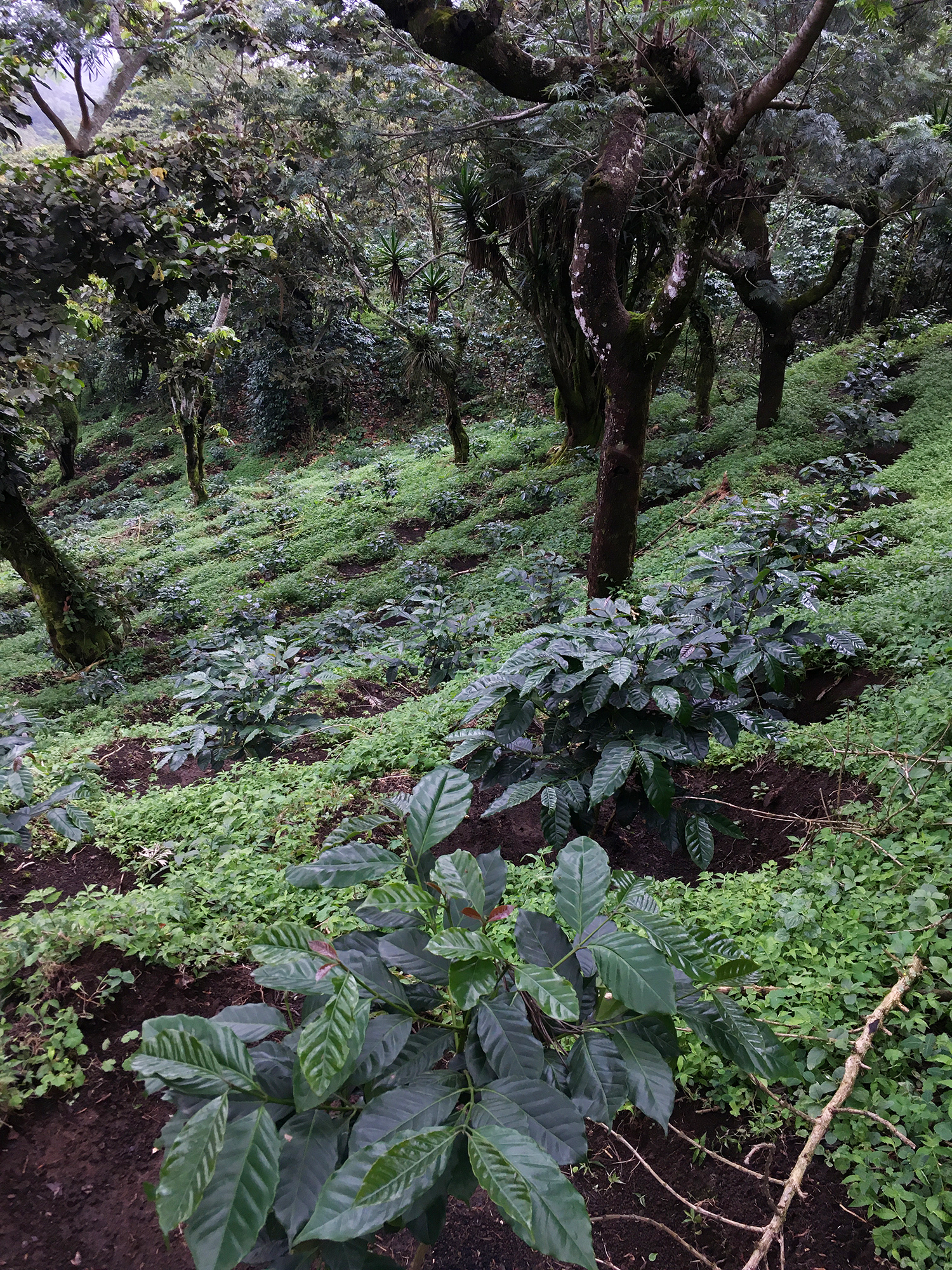
Photo 88 Graines
How to distinguish arabica from robusta?
Arabica and robusta differ not only in taste but also in their plant structure, bean shape, and growing conditions:
- Arabica plants grow up to 5 meters tall, while robusta plants can reach twice that height.
- Robusta grows faster, matures earlier, and is more resistant to pests, diseases, and climate changes.
- Arabica beans are elongated with an S-shaped crease, while robusta beans are rounder with a straight crease.
What is arabica?
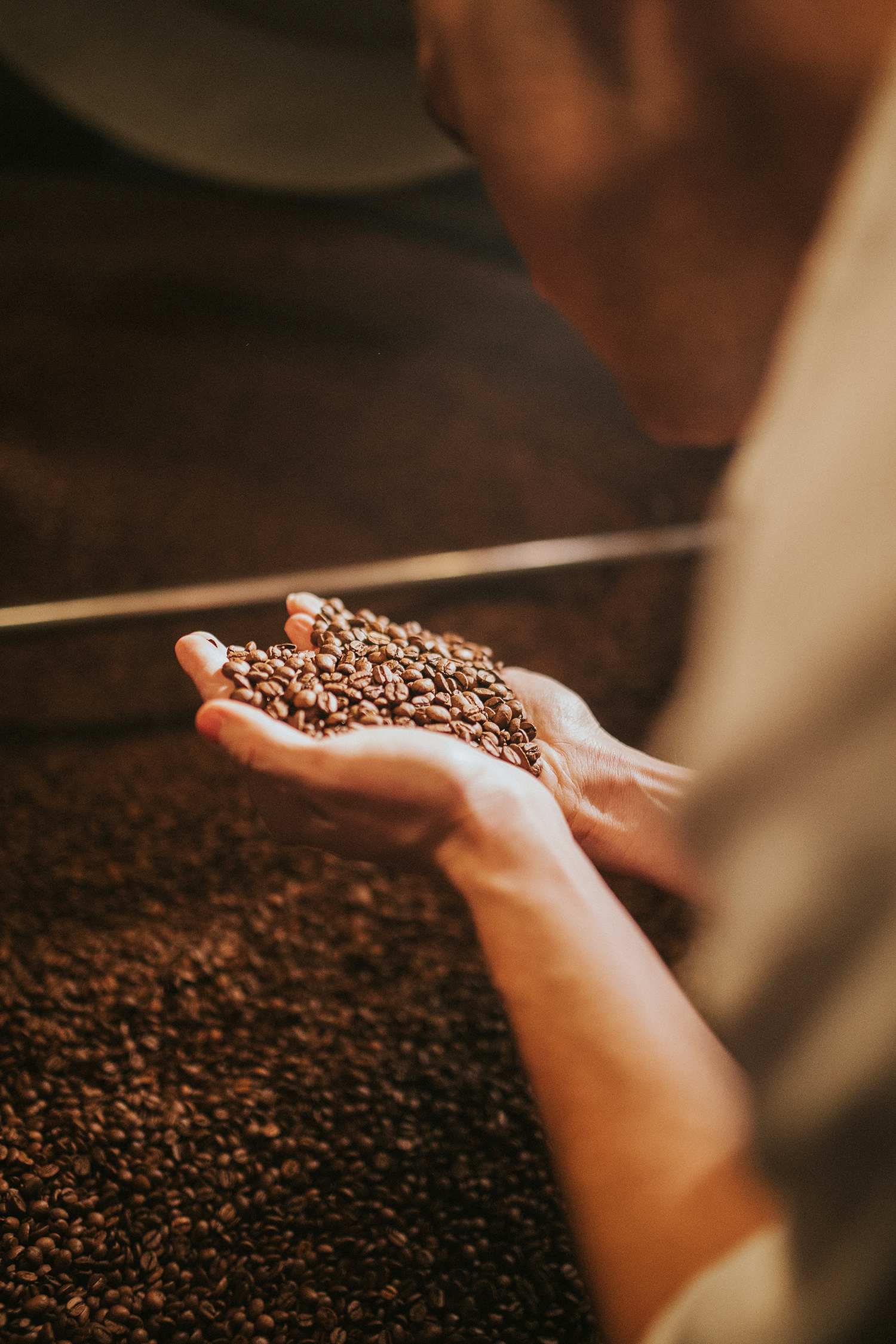
Coffea arabica is the most popular coffee species, making up around 70% of global coffee production. Originally from Ethiopia, Yemen, and northern Kenya, arabica is now primarily grown in South America.
What makes arabica special?
Arabica beans are highly valued for their complex flavor profile, offering sweet, fruity, and floral notes with noticeable acidity. This balance of flavors makes arabica the preferred choice for specialty coffee.
However, arabica contains less caffeine than robusta, about 1.0–1.5%, and is more delicate in terms of growing conditions. It requires:
- An average annual temperature of 16–24°C
- High-altitude farms (800–2500 m above sea level)
- Rich, well-drained soil
Arabica beans have higher sugar and fat content than robusta, giving them a smoother texture and diverse flavor range. Depending on processing and roasting, arabica can develop nutty, spicy, cocoa-like, fruity, or floral notes.
Photo 88 Graines
What is robusta?
Coffea canephora, commonly known as robusta, originates from Uganda, Congo, and Guinea. Today, it is primarily grown in Vietnam, India, Indonesia, and Brazil.
Why is robusta different from arabica?
Robusta is easier to cultivate due to its strong resistance to pests, diseases, and harsh weather conditions. Its resilience makes it a more affordable coffee option.
Key characteristics of robusta:
- Higher caffeine content (2.5%, almost double that of arabica)
- Grows at lower altitudes (below 800 m above sea level)
- Thrives in temperatures of 22–30°C
- More bitter and intense taste with earthy, nutty, and chocolatey notes
Robusta’s high caffeine and chlorogenic acid content provide natural protection against pests, making it a high-yield crop.
Although robusta is often considered less refined than arabica, it has an important role in coffee blends. It adds:
- A stronger, more intense flavor
- More crema (foam) in espresso
- Lower acidity and a bolder body
Because of these qualities, robusta is frequently used in espresso blends, where it enhances texture and reduces acidity.
Arabica vs. robusta – which one to choose?
The choice between arabica and robusta depends on personal taste preferences:
- If you enjoy smooth, complex, and aromatic coffee, arabica is the best option.
- If you prefer stronger, bolder flavors with high caffeine content, robusta is a great choice.
How to recognize high-quality coffee?
When selecting coffee, check the packaging for details such as:
- Coffee species (100% arabica, 100% robusta, or a blend)
- Origin (single-origin or blended)
- Processing method
- Roast date (freshly roasted beans offer the best flavor)
The best way to find your favorite coffee is through experimentation—try different origins, blends, and brewing methods to discover the flavors you enjoy most.
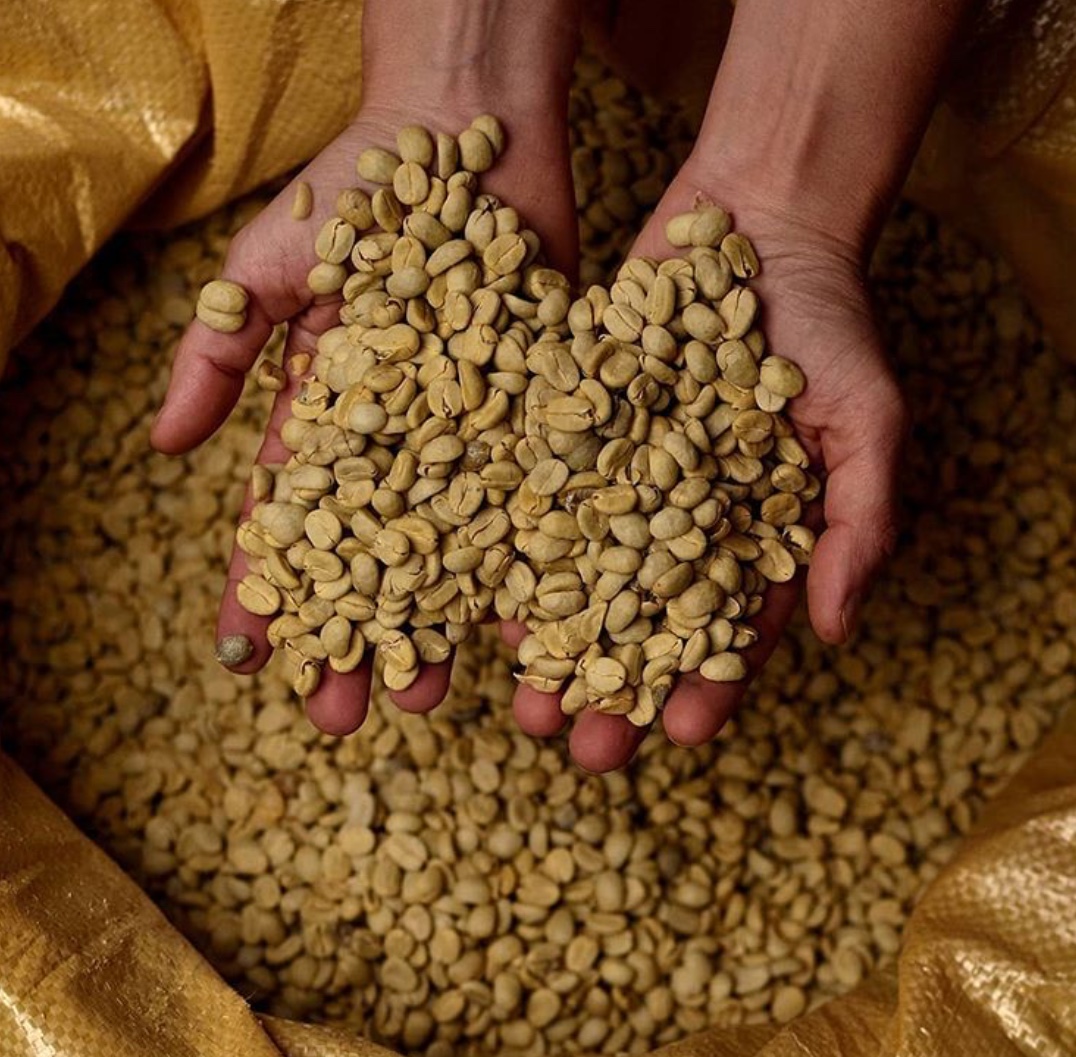
Photo 88 Graines
