


If you are looking for a simple but impressive crustless cheesecake, without a long list of ingredients, this recipe is for you. It works beautifully both for special occasions and for everyday serving.
What is a coffee cherry?
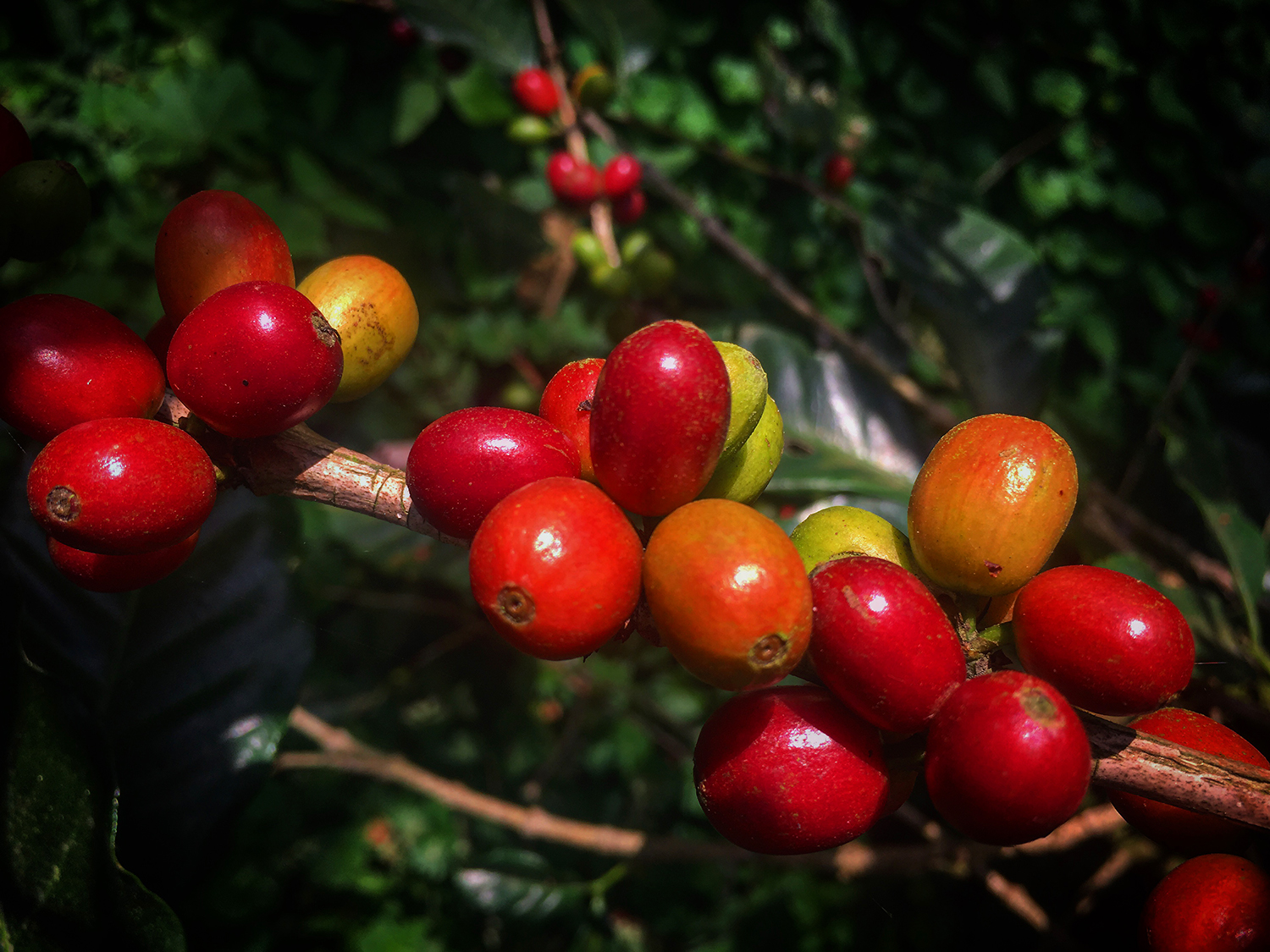
What is a coffee cherry, the fruit from which coffee originates? Though it may not be widely known, a cup of coffee comes from... fruit! The coffee cherry is the common name given to the fruit of the coffee plant. It is a type of drupe that typically turns red when fully ripe (although not exclusively - there are also yellow and orange varieties).
Inside each cherry are two green seeds, which are the coffee beans later used for coffee production. So, the coffee beans we know from our kitchens and store shelves are actually seeds of a fruit known as the coffee cherry.
The coffee cherry gets its name from its resemblance to ordinary cherries. However, despite their similar appearance, the two cherries are not related. The only commonalities beyond their shape and color are that both fruits are drupes.

What do coffee cherries and coffee trees look like?
Cherries grow in clusters along the branches of the coffee tree. Each cherry is about the size of a small grape. As with any plant, there are many varieties of coffee trees, each with its own distinctive features that set it apart from other varieties. For example, Caturra is known for its high acidity, abundance of cherries, and numerous tree branches that develop from its thick trunk. Bourbon, on the other hand, is known for its complex flavor, sensitivity to climate, rounded shrubs, and fewer cherries compared to other varieties.

How to distinguish ripe coffee cherries from unripe ones?
All unripe coffee fruits are green, turning red, yellow, or orange when ripe. The final color depends on the coffee variety - although red cherries are usually preferred for easier recognition when fully ripe. Initially green, they turn yellow, and finally red.
The ability to recognize when cherries are ripe is crucial, as the increase in sugar levels significantly impacts the quality of the coffee beans. Just like any other fruit, the one that has had a chance to fully ripen will always taste better, being sweeter and more balanced.
Show me what’s inside!
The anatomy of a coffee cherry is similar to other drupes such as plums, peaches, almonds, and olives. All drupes consist of several layers, which can be divided into two main groups: the fruit flesh and the stone (seed). The outer group, called the pericarp, consists of three layers. The inner group, containing the seeds, also consists of three layers.
Inside each cherry are usually two seeds - usually, because there are also cherries with only one seed. Such seeds are called "peaberry". Raw coffee beans are green and only turn the familiar brown color after roasting.

Can you eat a coffee cherry?
Yes, you can! Coffee cherries are edible. The fruits have a pleasant sweetness and refreshing acidity. Although there is no other fruit in Poland that tastes the same, they can be compared to mirabelle plums.
However, coffee cherries contain very little actual fruit, as most of the space inside the cherry is occupied by the seeds. Contrary to common associations, coffee plant fruits do not taste like roasted, brewed coffee beans. Raw, green beans inside the cherries do not exhibit any of the flavor and aroma characteristics we associate with coffee - these develop only during roasting.
