


If you are looking for a simple but impressive crustless cheesecake, without a long list of ingredients, this recipe is for you. It works beautifully both for special occasions and for everyday serving.
A timeless holiday classic – gingerbread with coffee and plum preserves
Gingerbread is a dessert that has been passed down through generations. In this article, we’ll show you how to make the perfect holiday gingerbread, infused with the warm notes of aromatic coffee and plum preserves—a cake that truly embodies the spirit of Christmas. Beyond the recipe, we’ll also explore the famous Toruń gingerbread, a true Polish treasure, compare different gingerbread varieties from around the world, and take you on a short journey through its fascinating history.
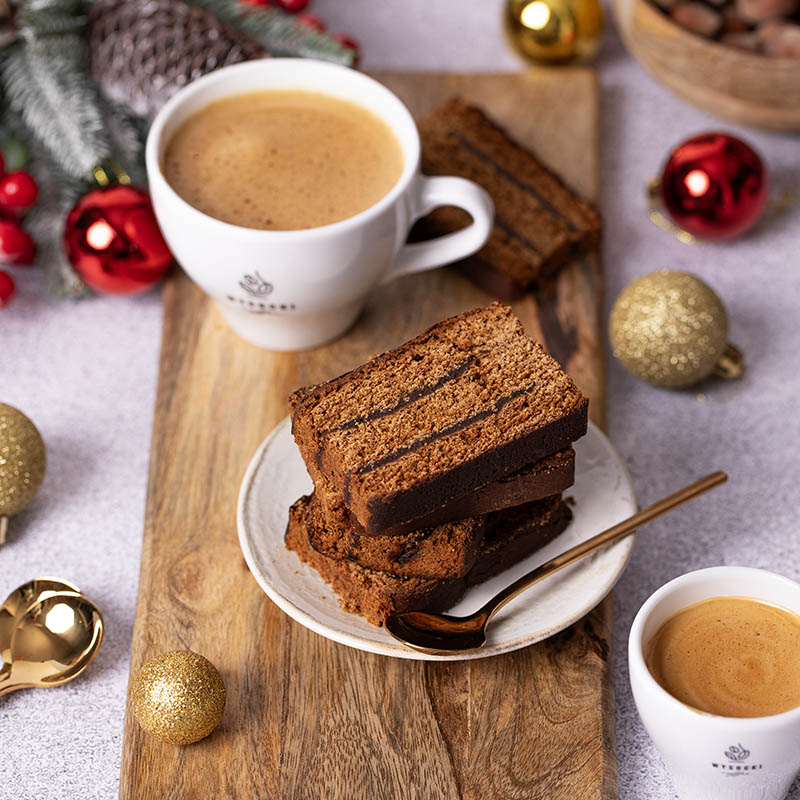
The history of Polish gingerbread – a love affair centuries in the making
Gingerbread is a traditional Polish spiced cake with origins dating back to the Middle Ages! The Polish word piernik comes from the Old Polish term pierny, meaning "peppery" or "spicy"—a nod to the fragrant spices that give gingerbread its unmistakable flavor.
By the 17th century, gingerbread was so highly valued that it was even sold in pharmacies as a remedy for various ailments. Historically, this cake was also known as miodownik—a honey-based bread dough that was left to age for months before baking. According to tradition, some families would prepare the dough at a daughter’s birth and bake the cake only when she got married! While this may sound unbelievable, it certainly adds to the charm of gingerbread’s legendary past.
Toruń gingerbread – a Polish treasure
Although gingerbread was baked in many Polish cities, Toruń became its true capital. Located at the crossroads of important trade routes, the city had access to the finest ingredients, including local honey and exotic spices imported from distant lands.
Gingerbread-making in Toruń dates back to the 14th century, with the first recorded mentions appearing in 15th-century Poland. Because spices like cinnamon, ginger, and cloves were once expensive and difficult to obtain, gingerbread was considered a luxury product. By the 17th and 18th centuries, Toruń gingerbread was at the peak of its popularity, exported to many European countries and even enjoyed at royal courts.
In 1557, Toruń signed an agreement with Nuremberg, one of the most renowned gingerbread centers in Europe, allowing the exchange of recipes and baking techniques. Toruń’s gingerbread formulas were closely guarded secrets, and to this day, the tradition continues with legendary brands like Fabryka Cukiernicza Kopernik.
What makes Toruń gingerbread special?
Toruń gingerbread is made from flour, honey, spices, and sugar, with the quality of honey playing a crucial role in its character. The cookies come in a variety of shapes, from classic hearts and stars to intricate designs like angel figurines.
One of the most famous Toruń gingerbread varieties is Katarzynki—small, hexagonal cookies with a unique, connected shape. The origin of their name remains a mystery, which only adds to their appeal.
Modern Toruń gingerbread now comes in many variations, including fruit-filled, chocolate-covered, vegan, and gluten-free options. With the rise of artisan bakeries, the tradition of gingerbread-making continues to evolve while preserving its historic charm.
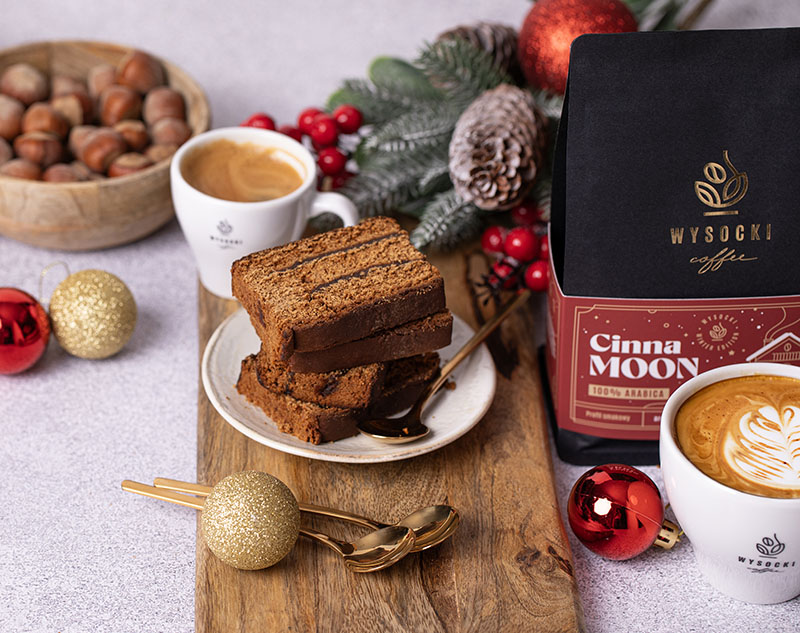
Why is gingerbread a Christmas tradition?
The connection between gingerbread and Christmas dates back centuries, with both practical and symbolic reasons behind its festive status.
- Long shelf life – Gingerbread can be stored for weeks, sometimes even months. This allowed people to prepare their holiday treats in advance without worrying about spoilage.
- Exotic spices – In medieval times, cinnamon, cloves, ginger, and cardamom were expensive and rare. Baking with these aromatic ingredients turned gingerbread into a symbol of luxury and celebration.
- Meaningful gifts – Decorated gingerbread hearts, stars, and angels became popular Christmas gifts, especially in Central Europe. Their intricate designs made them both delicious and personal.
Even today, gingerbread remains a symbol of warmth, joy, and togetherness, making it a beloved staple of holiday traditions.
Gingerbread around the world – how does it differ?
Gingerbread has a rich history and is enjoyed across Europe and beyond, with regional variations offering unique textures and flavors.
- Germany – Famous for Nuremberg Lebkuchen, a soft honey-based gingerbread with almonds and spices, and Aachen Printen, a crisp version often decorated with sugar or chocolate.
- The Netherlands – Known for speculaas, thin and crunchy cookies flavored with cinnamon, cloves, and ginger, traditionally eaten during St. Nicholas Day.
- Sweden – Pepparkakor are delicate, spiced cookies shaped like stars and hearts, commonly used for holiday decorations.
- England – Gingerbread men date back to the Elizabethan era, now a staple of Christmas markets and festive celebrations.
- France (Alsace) – Pain d’épices is a lightly sweetened gingerbread loaf, often flavored with anise.
- Switzerland – Basler Läckerli, a firm, square gingerbread with candied fruits, is a holiday favorite.
No matter the country, gingerbread carries the warmth of Christmas and a touch of history in every bite.
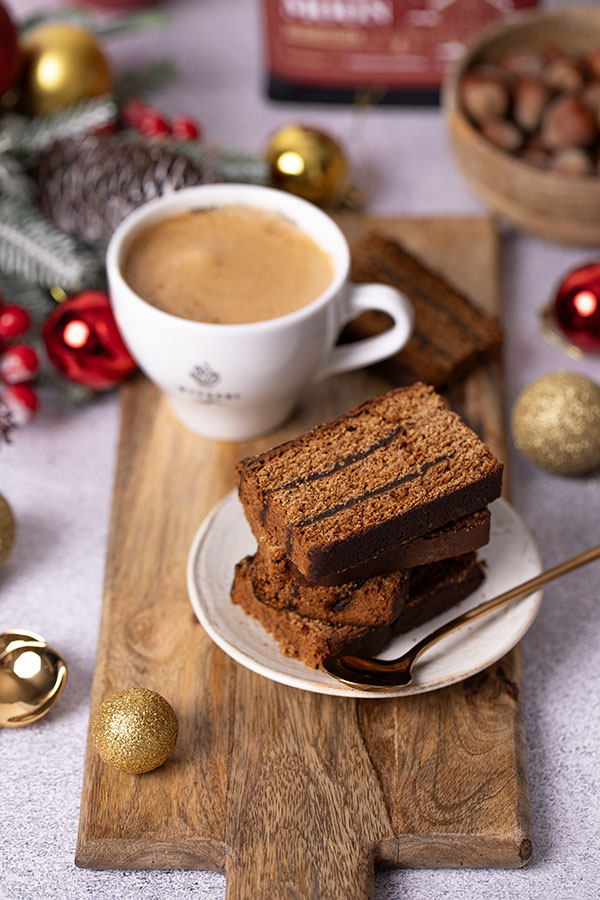
A rich and fragrant Polish-style gingerbread – made with coffee
If you’re looking for a quick yet flavorful gingerbread recipe, we’ve got you covered! Our version combines traditional spices with aromatic coffee and plum preserves, creating a cake with depth and complexity.
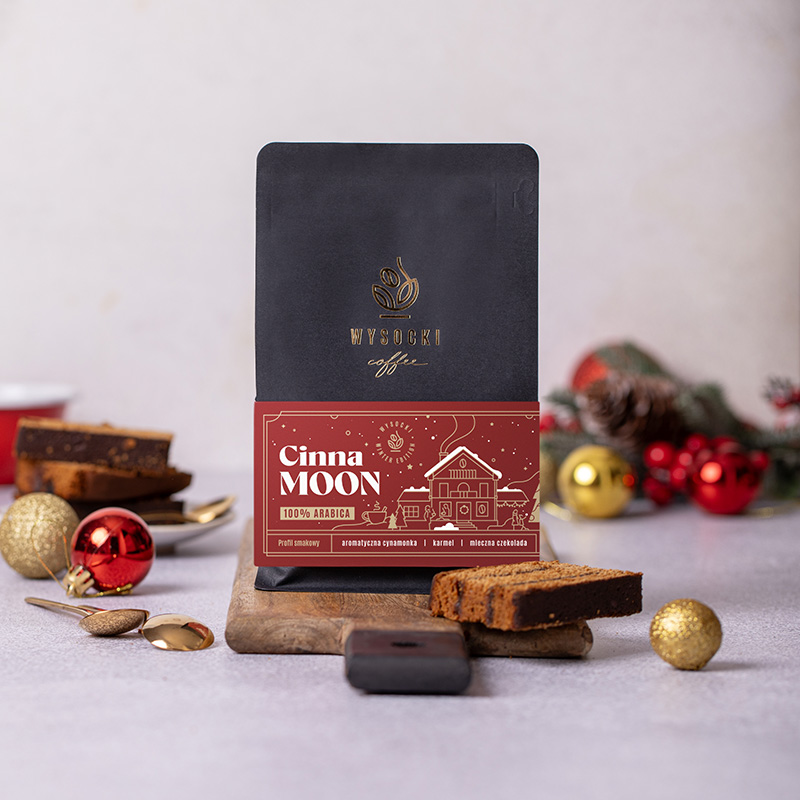
For the best results, we recommend using Cinna Moon, a limited-edition holiday coffee with warm spiced notes that perfectly complement the gingerbread’s flavor. Alternatively, if you prefer a bolder profile, Less Robusta Kick—with dark chocolate, nut, and dried plum notes—is an excellent choice.
How to make gingerbread with coffee – step-by-step recipe
Ingredients for gingerbread:
- 200 ml almond milk
- 200 g cane sugar
- 50 ml freshly brewed espresso
- 120 g butter
- 2 tsp ground cinnamon
- ½ tsp ground cardamom
- ½ tsp vanilla seeds
- ½ tsp ground cloves
- ½ tsp freshly grated nutmeg
- ½ tsp ground ginger
- 2 tbsp honey (wildflower, linden, or acacia)
- 2 eggs
- 2 tbsp high-quality plum preserves
- 320 g all-purpose flour
- 1 tsp baking soda
- 2 tbsp cocoa powder
Ingredients the topping:
- 6 tbsp plum preserves
- 50 ml heavy cream (36%)
- 30 ml freshly brewed espresso
- 100 g dark chocolate
Instructions
- Preheat the oven to 175°C (350°F). Grease and line a 12×25 cm (or 10×30 cm) loaf pan.
- Heat almond milk with sugar until dissolved, then add espresso. Let cool.
- Melt butter, then mix with spices and honey. Let cool.
- Sift flour, baking soda, and cocoa into a bowl. Add eggs, plum preserves, and the butter mixture. Stir in the coffee-infused milk. Mix until smooth.
- Pour the batter into the prepared pan. Bake for 40–45 minutes. Let cool.
- For the topping, heat plum preserves until smooth. In another pan, warm the cream and espresso, then melt in the chocolate. Stir until glossy.
- Slice the gingerbread in half, spread with plum preserves, then cover with chocolate glaze.
Store in an airtight container for up to 3 days. Enjoy with your favorite coffee!
