


If you are looking for a simple but impressive crustless cheesecake, without a long list of ingredients, this recipe is for you. It works beautifully both for special occasions and for everyday serving.
Why is adding sugar to coffee such an ingrained habit? Where did it come from, and why is it so hard to stop drinking sweetened coffee? And most importantly—does coffee taste good without sugar?
Coffee consumption trends – do we prefer coffee with or without sugar?
Studies have shown that in the United States alone, more than 50% of coffee drinkers add sugar to their coffee. In Poland, nearly 70% of surveyed individuals drink coffee with milk, and every fifth person sweetens it. Meanwhile, black coffee without any additives is chosen by only one in ten respondents. For 83% of participants, coffee is a beverage they consume regularly, with 60% drinking it daily, and among them, many enjoy multiple cups a day.
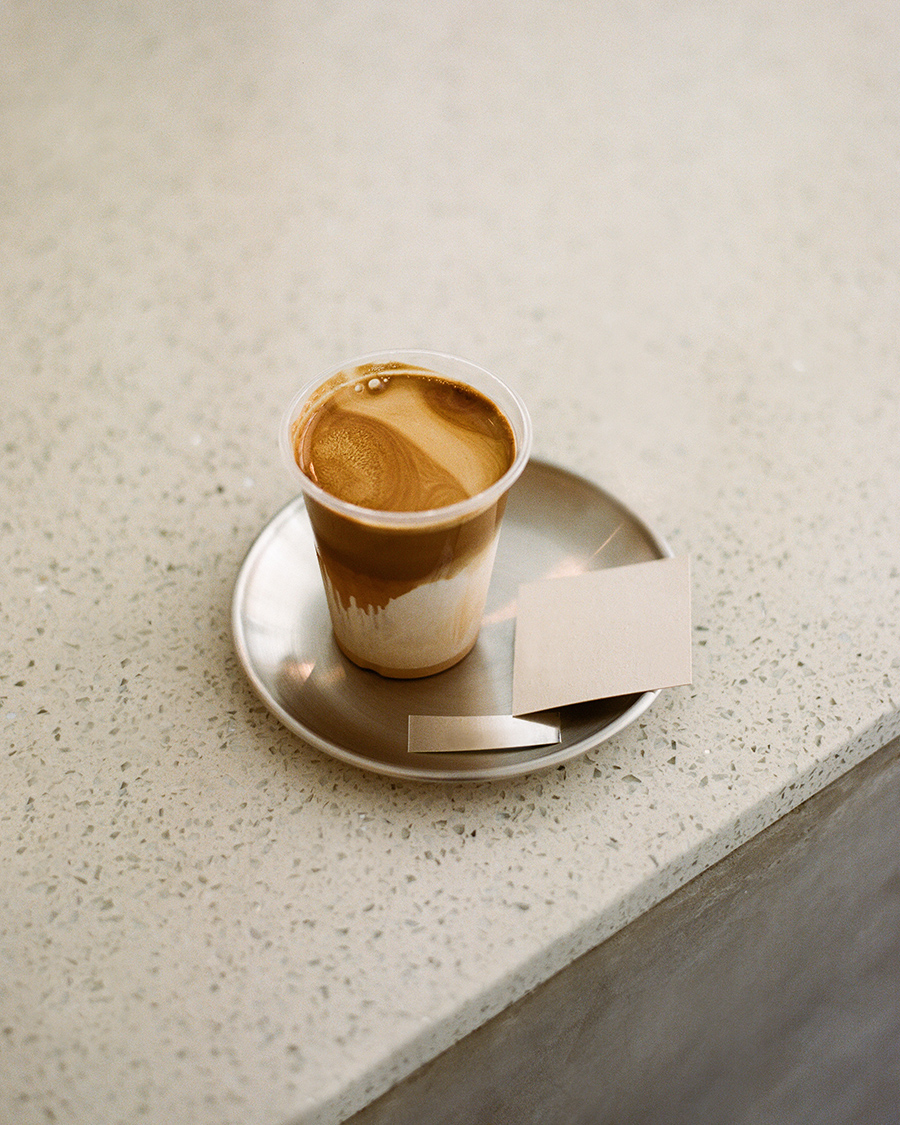
Sugar in coffee – where did it come from? A brief history of sugar in coffee
For over 500 years—since coffee first arrived in Europe—coffee and sugar have been almost inseparable. Both were considered luxury goods, reserved almost exclusively for the wealthy upper classes. However, most coffee beans at the time were of low quality and roasted very dark. To make the bitter and intense taste of coffee more palatable, sugar was often added.
Over time, sweetened caffeinated beverages, such as coffee and tea, became more accessible and widely available. Unlike wine, beer, or cider, they provided an energy boost without the unwanted side effect of intoxication. This made them a preferred option for physical laborers, as coffee with sugar offered a much-needed energy boost while also providing warmth and comfort.
Similarly, when instant coffee gained popularity in the 20th century, manufacturers used cheaper, more readily available coffee beans, whose taste could be effectively altered by adding sugar. This further reinforced the habit of sweetening coffee.
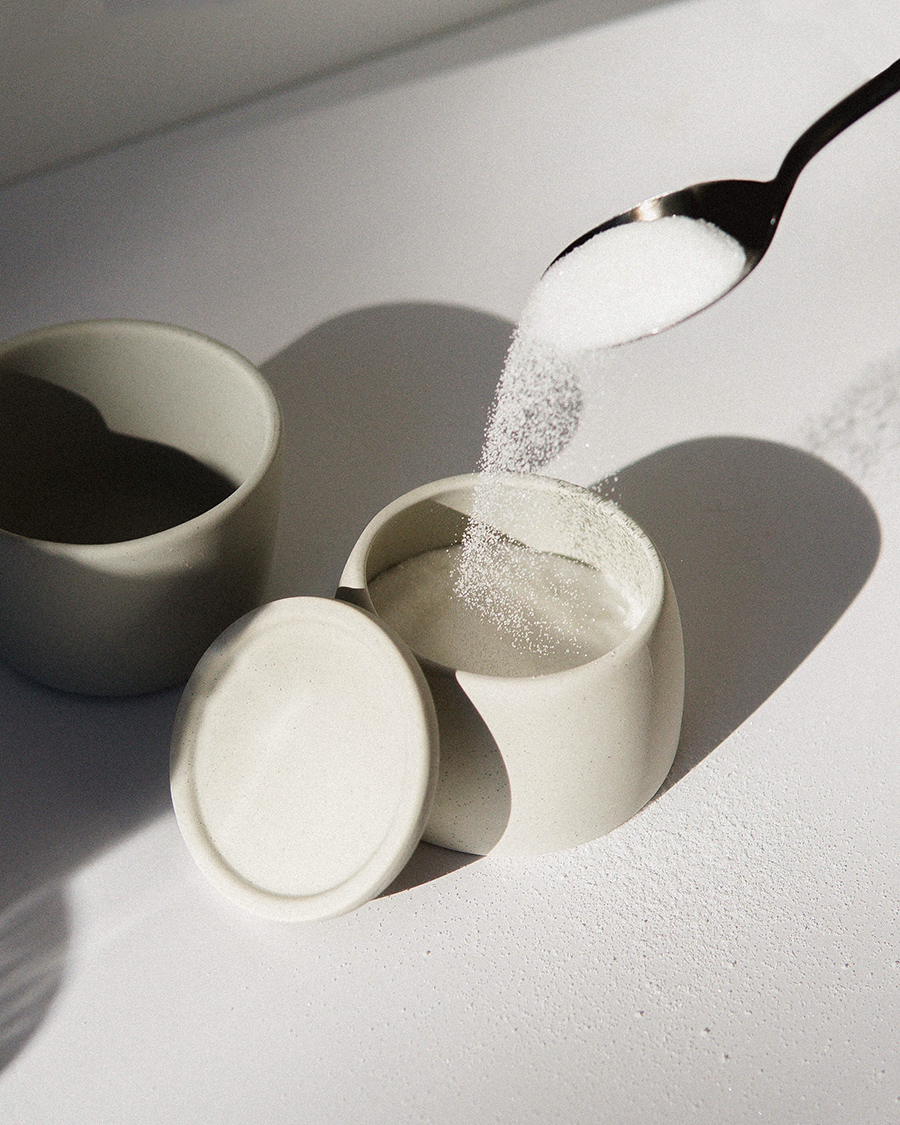
Sugar, coffee, and taste – how does it work?
Sugar suppresses coffee’s bitterness and acidity, making it an easy way to improve the taste of lower-quality coffee beans. However, when coffee is carefully processed and roasted to balance its flavors, it can offer a wide range of taste experiences without the need for additional sweeteners. Historically, people didn’t have this option—until relatively recently, the coffee market was limited. It is only now, with the growth of artisan coffee roasters, that we have access to such a vast variety of coffee flavors and aromas.
But why do we instinctively try to mask the bitterness of dark-roasted, lower-quality coffee? The answer lies in biology. From an evolutionary standpoint, humans are naturally inclined to avoid bitter flavors because they are often associated with toxins. On the other hand, sweetness is recognized by the brain as pleasurable and is linked to a sense of reward.
Coffee and sugar – preferences around the world
Cultural preferences for coffee vary significantly worldwide. While around 50% of surveyed coffee drinkers in the U.S. add sugar to their coffee, this is not the case everywhere.
Sugar consumption differs across the globe due to geopolitical and cultural factors. For instance, in the Middle East, sugar is rarely added to coffee. Instead, traditional Arabic coffee is often brewed with spices and served alongside sweet dried fruits and nuts to balance its bitterness.
Meanwhile, in Mediterranean countries, coffee has historically been an intense, dark, and bitter beverage—heavily influenced by Italian espresso culture. However, sugar has played a role in coffee roasting itself in some Mediterranean nations (as well as in France, Portugal, and even outside this region in Paraguay, Mexico, Costa Rica, Uruguay, and Argentina). This process, known as torrefacto, involves adding sugar during the roasting process to extend the Maillard reaction and enhance coffee’s viscosity. Torrefacto was also used to preserve coffee beans, allowing for longer storage and reducing costs. However, this method has its downsides: it imparts flavors that many coffee enthusiasts consider undesirable.
Additionally, many traditional coffee drinks around the world are naturally sweetened. Examples include tinto in Colombia, Greek frappé, Vietnamese street coffee, and café cubano in Cuba and Miami, all of which are commonly served with sugar.
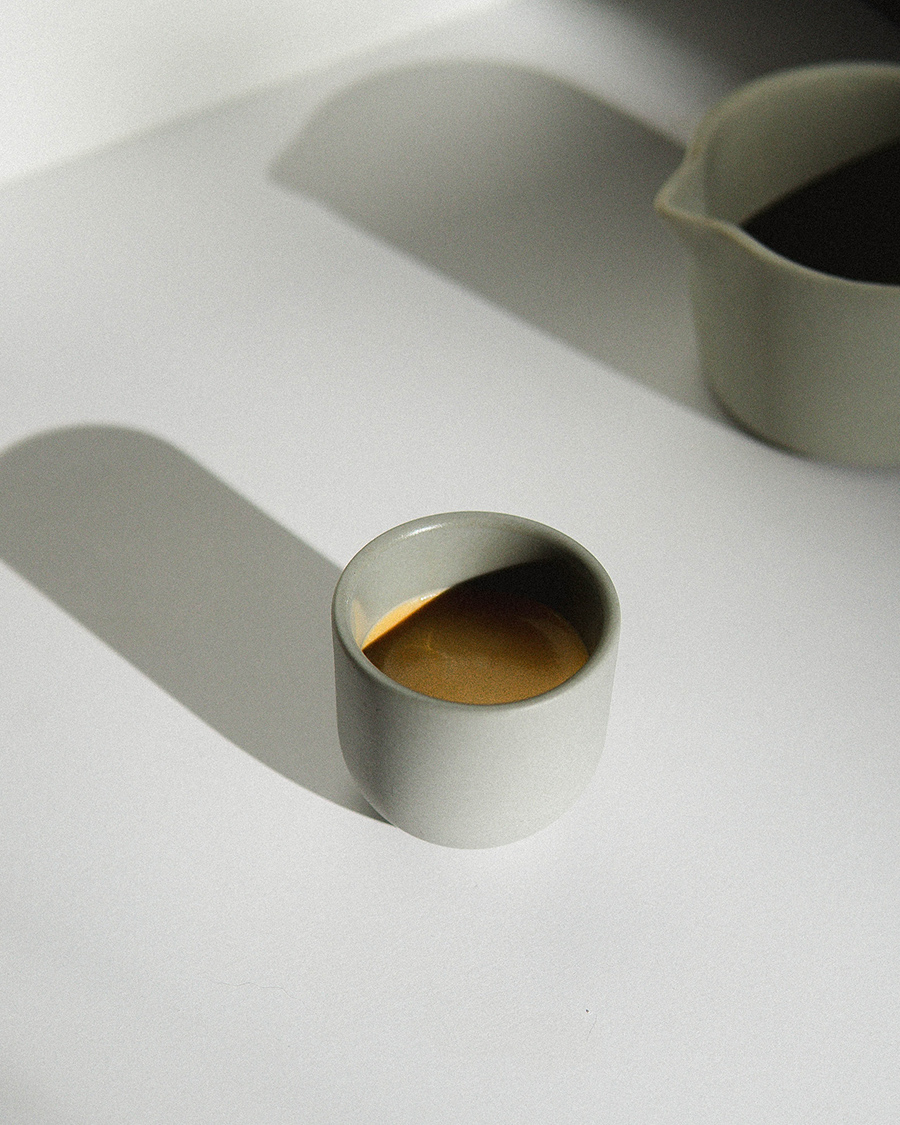
Third and fourth wave coffee – specialty coffee and sugar
Despite the historical popularity of sugar in coffee, the specialty coffee market has increasingly distanced itself from this trend in recent years. Today, many specialty coffee enthusiasts drink their coffee without sugar, arguing that sweeteners mask the delicate, subtle, and complex flavor notes that they seek to enjoy.
Ultimately, coffee preferences—including whether to add sugar—depend on both cultural traditions and individual taste. The most important thing is simply choosing what tastes best to you.
