


If you are looking for a simple but impressive crustless cheesecake, without a long list of ingredients, this recipe is for you. It works beautifully both for special occasions and for everyday serving.
Espresso lungo – what is it, and where did it originate?
Lungo, or espresso lungo, is a type of coffee that uses more water than a standard espresso. The brewing process takes longer, resulting in a larger volume of coffee with a milder yet still intense flavor. The term “lungo” comes from Italian and means “long”, referring to the extended extraction time. This drink is often called “stretched espresso.”
Lungo differs from standard espresso mainly in volume and intensity. Espresso, the foundation of many coffee drinks, is a small, concentrated shot (usually 25–35 ml) made by forcing hot water through finely ground coffee under high pressure.
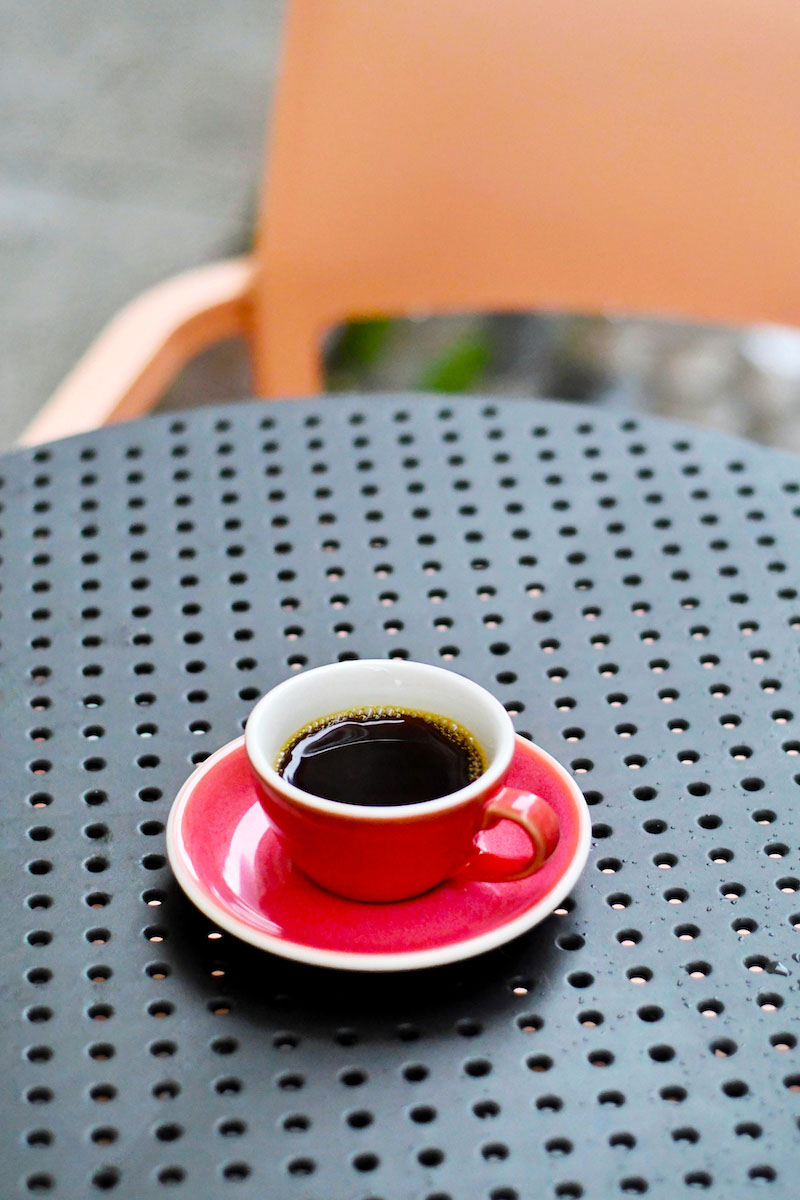
Is espresso lungo really espresso?
Espresso lungo is a variation of classic espresso, offering a slightly different flavor profile and larger volume. It is made by extending the brewing time beyond a standard espresso. Instead of stopping at the usual volume, the water continues to flow through the coffee, resulting in 150–200 ml of coffee.
The longer extraction process gives lungo a milder flavor than espresso, but it also tends to be more bitter. This happens because prolonged brewing extracts more bitter compounds and tannins from the coffee.
Differences between lungo, americano, and ristretto
Both lungo and americano are larger in volume than classic espresso, which makes them seem similar at first glance. However, their brewing methods differ significantly:
- Americano is made by brewing a standard espresso and adding hot water afterward.
- Lungo increases volume by prolonging the espresso extraction itself, keeping all flavors extracted from the coffee grounds.
Because lungo is brewed with a longer water flow, it has more caffeine than espresso. So if you’re looking for a stronger energy boost—lungo is your go-to choice!
In contrast, ristretto is the opposite of lungo—it's brewed with less water and a shorter extraction time, making it a more concentrated, less bitter shot.
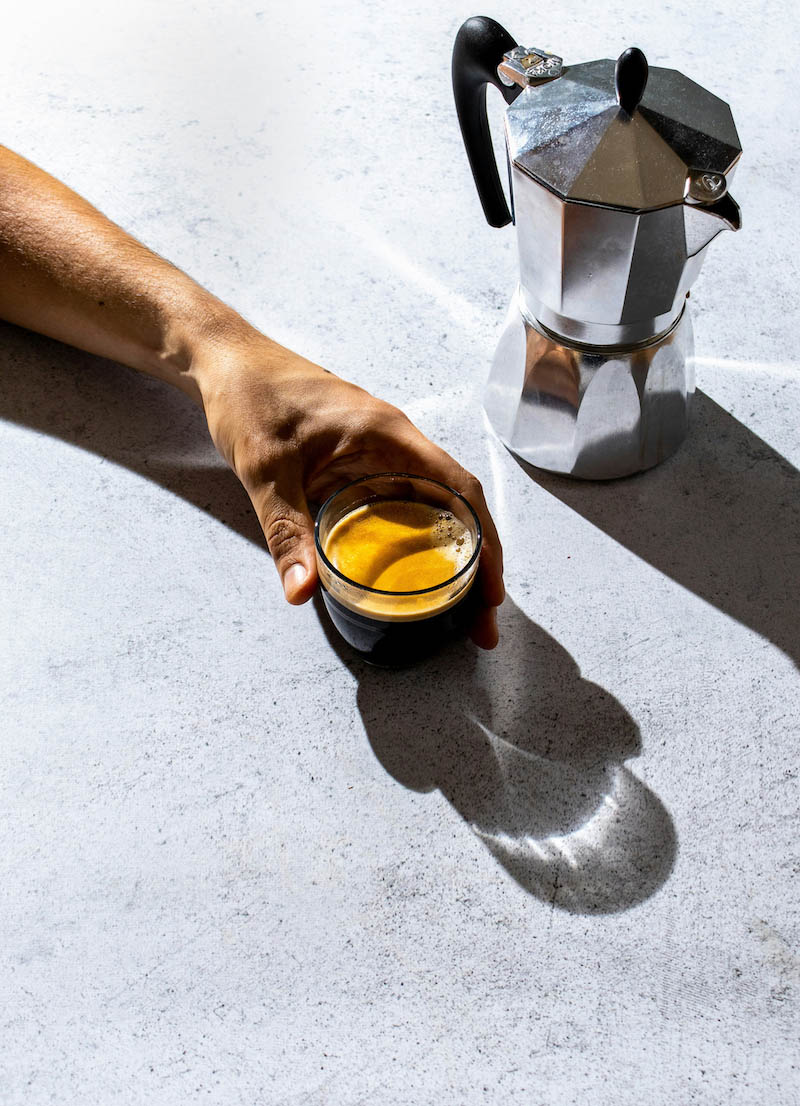
How to make espresso lungo in a Moka pot – step by step
- Measure your coffee: For a single lungo, use 7–8 grams of coffee per 100 ml of water. Grind fresh beans right before brewing.
- Prepare your Moka pot: Fill the filter basket with ground coffee, distributing it evenly without tamping—this ensures optimal water flow and balanced extraction.
- Add water: Fill the lower chamber with filtered or low-mineral water up to the safety valve level.
- Assemble and heat: Secure the Moka pot and place it on medium heat.
- Monitor the extraction: When coffee starts bubbling into the upper chamber, remove from heat before it over-extracts to avoid excessive bitterness.
- Enjoy your lungo: The coffee is ready when the Moka pot stops making its characteristic gurgling sound.
Tip: Avoid brewing on high heat, as it may scorch the coffee. If the taste is too bitter, try adjusting the grind size, using less coffee, or shortening the extraction time.
Why is Sunshine Por Favor the perfect choice for lungo?
Sunshine Por Favor is a specialty coffee from the Chiapas region of Mexico, known for its smooth sweetness and well-balanced profile. In each cup, you'll find rich notes of chocolate, caramel, and nuts, complemented by a subtle acidity that adds brightness and depth.
This coffee’s full body and velvety texture make it an excellent choice not only for espresso but also for lungo, where its complex flavors fully develop. It also pairs beautifully with milk, creating a harmonious, creamy combination—perfect for both coffee aficionados and everyday drinkers.
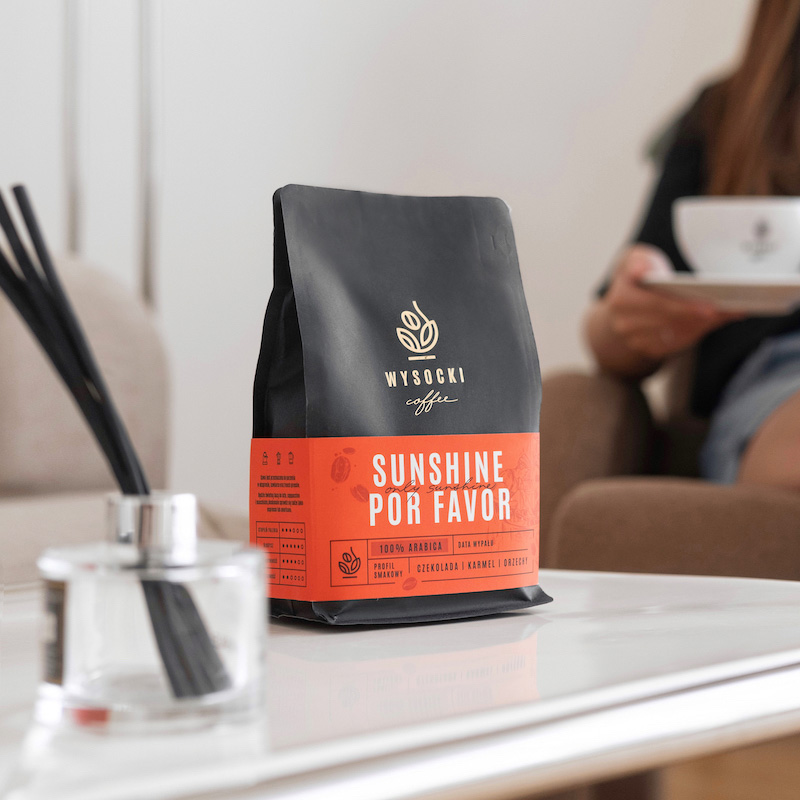
Sunshine in a cup—try it for yourself!
Choosing Sunshine Por Favor for your lungo gives you a delightfully smooth yet bold coffee, blending espresso’s intensity with lungo’s gentle character. Try it in the morning—it’s like a little sip of sunshine in your cup!
