


If you are looking for a simple but impressive crustless cheesecake, without a long list of ingredients, this recipe is for you. It works beautifully both for special occasions and for everyday serving.
There are many different ways to brew coffee, and one of the most popular is the French press. If you’re new to coffee and want to learn more about this method, you’re in the right place. This article will explain what a French press is, how it works, its history, and how to brew the perfect cup.
What is a French press and how does it work?
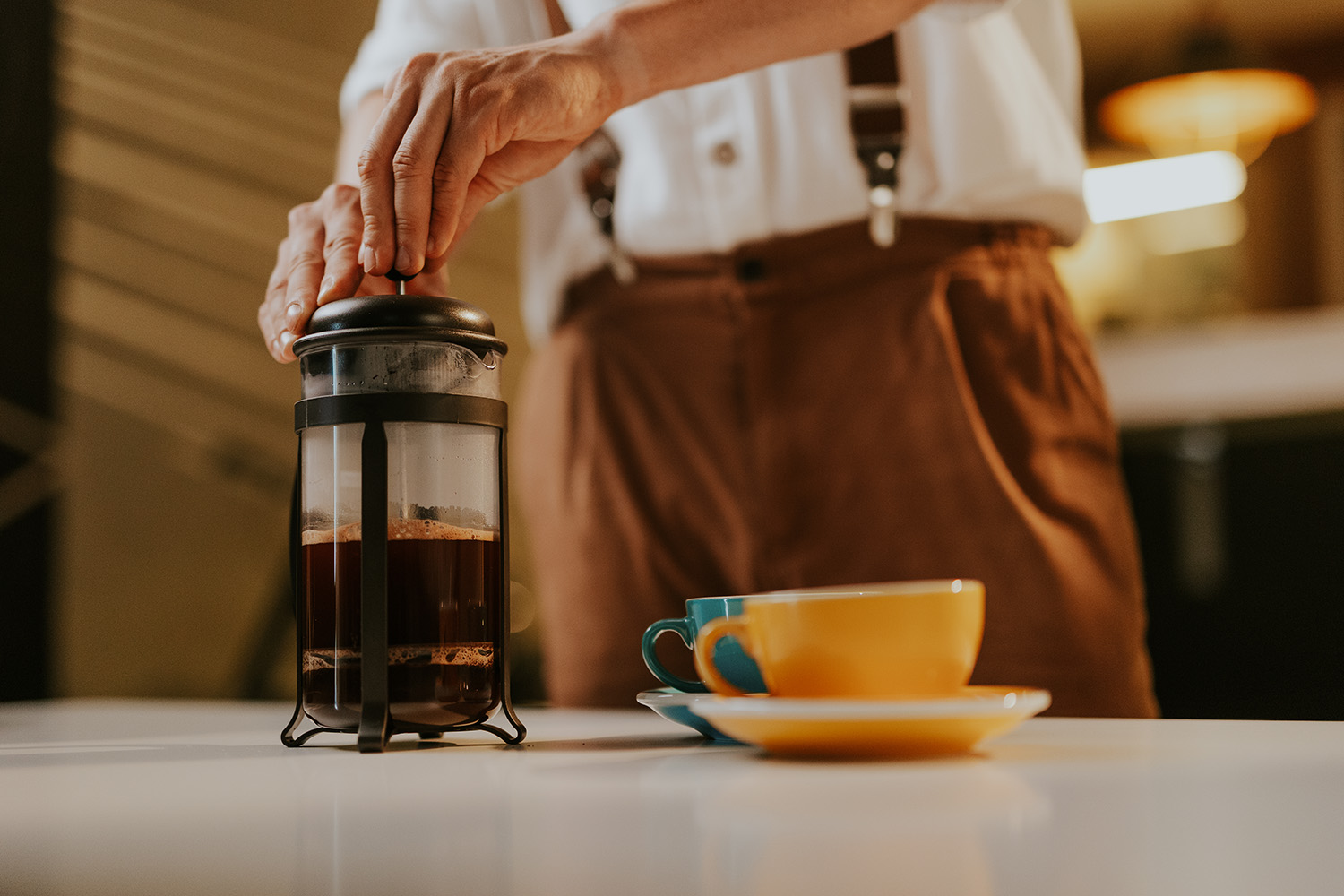
The French press, also known as a coffee press or plunger pot, is a simple and effective brewing device. It consists of a cylindrical container, typically made of glass or stainless steel, and a plunger with a fine mesh filter.
The brewing process is straightforward: coarsely ground coffee is steeped in hot water for a few minutes, then separated from the grounds by pressing down the plunger. The result is a rich, full-bodied coffee with a distinct texture. This method preserves the natural oils and fine particles from the coffee, unlike paper-filtered brewing methods. The French press can also be used for brewing loose-leaf tea or even frothing milk.
What is a French press made of, and how should you care for it?
A French press consists of a few simple parts, making it easy to use and maintain.
- Glass or stainless steel container – Glass allows you to observe the brewing process, while stainless steel is more durable and resistant to breakage. Some modern designs use high-quality plastic for increased durability.
- Metal plunger with mesh filter – The plunger, usually made of stainless steel, pushes the coffee grounds to the bottom while letting the brewed coffee pass through.
- Plastic or metal components – Some models include plastic handles or lids for ease of use and heat safety.
To keep your French press in good condition, regular cleaning is essential. Leftover coffee oils and grounds can impact the flavor of future brews. After each use, rinse all components with warm water and mild soap, and deep-clean it occasionally to prevent residue buildup.
The history of the French press
Despite its name, the French press did not originate solely in France. Its invention is attributed to Jacques-Victor Delforge and Henri-Otto Mayer, who patented a similar device in 1852. However, the design was refined in 1928 by Italian inventors Attilio Calimani and Giulio Moneta. Later, in 1958, Swiss entrepreneur Faliero Bondanini patented his own version and popularized it in France under the Melior brand.
Over time, the French press gained international recognition and remains a favorite brewing method for coffee enthusiasts worldwide.
Who is the French press best suited for?
Coffee enthusiasts who appreciate specialty coffee
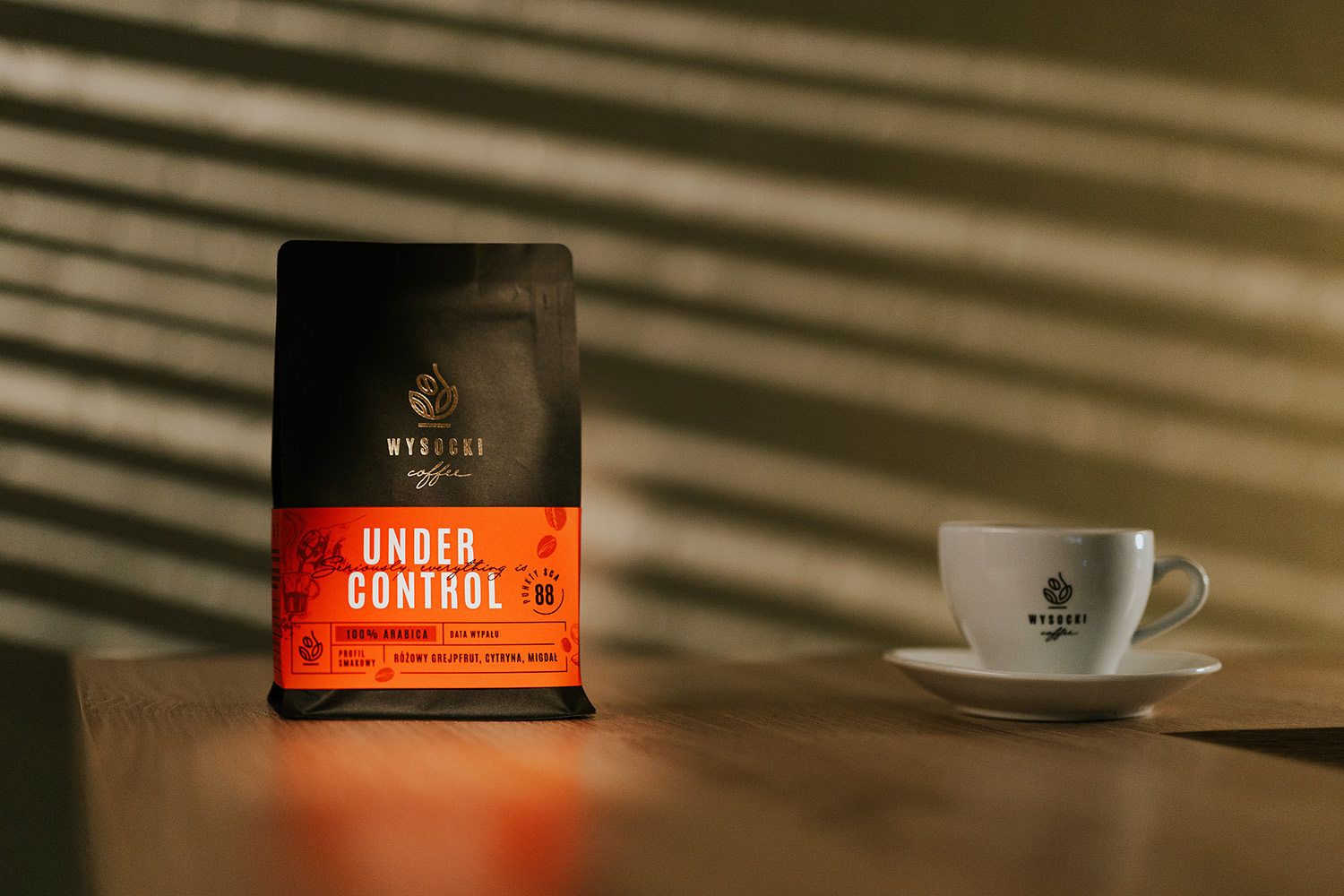
The French press is an excellent choice for those who enjoy specialty coffee — high-quality beans carefully cultivated, processed, and roasted to highlight unique flavor profiles. This brewing method allows for full extraction of coffee’s natural flavors, making it ideal for experimenting with different beans, grind sizes, and brewing times.
Beginners looking for an easy brewing method
For those new to coffee, the French press is a simple and approachable brewing method. Unlike espresso machines or pour-over setups, it doesn’t require special skills or expensive equipment. With just a few steps, you can brew a flavorful cup without much effort.
Minimalists who prefer simplicity
The French press is perfect for those who prefer a clutter-free kitchen. It’s compact, easy to store, and doesn’t require additional accessories. It’s also highly portable, making it a great choice for work, travel, or outdoor adventures.
Ale French press to nie tylko narzędzie do parzenia kawy, to także element dekoracyjny kuchni lub jadalni. Dzięki swojej prostocie i elegancji, French press może jednocześnie stanowić estetyczny dodatek do wnętrza i być wspaniałym prezentem dla miłośników kawy, którzy doceniają minimalistyczny design.
How to brew coffee with a French press – a beginner’s guide
1. Choose high-quality coffee
For the best results, use freshly roasted whole beans and grind them just before brewing. Specialty coffee beans are highly recommended, as they provide more complex and nuanced flavors.
2. Use the correct grind size
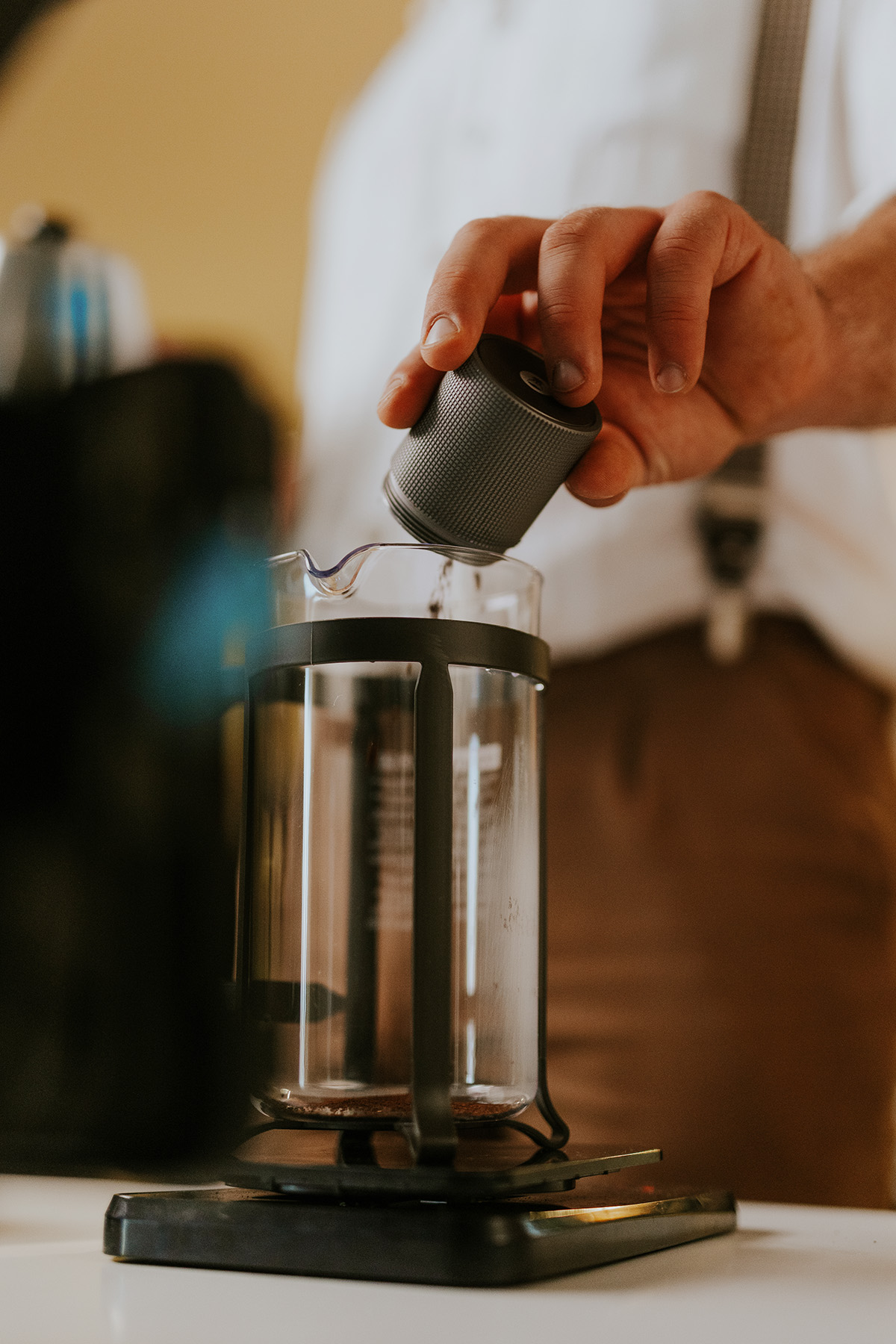
The ideal grind size for a French press is coarse, similar to sea salt. If the coffee is too finely ground, it may result in excessive sediment and over-extraction, leading to bitterness.
3. Measure coffee and water
A general guideline is 6–7 grams of coffee per 100 ml of water. For example, for 300 ml of coffee, use about 20 grams of coffee. However, you can adjust the ratio based on your taste preference.
4. Use the right water temperature
The optimal water temperature is 92–96°C. If the water is too hot, it can cause over-extraction and bitterness, while cooler water may result in under-extraction and weak flavors.
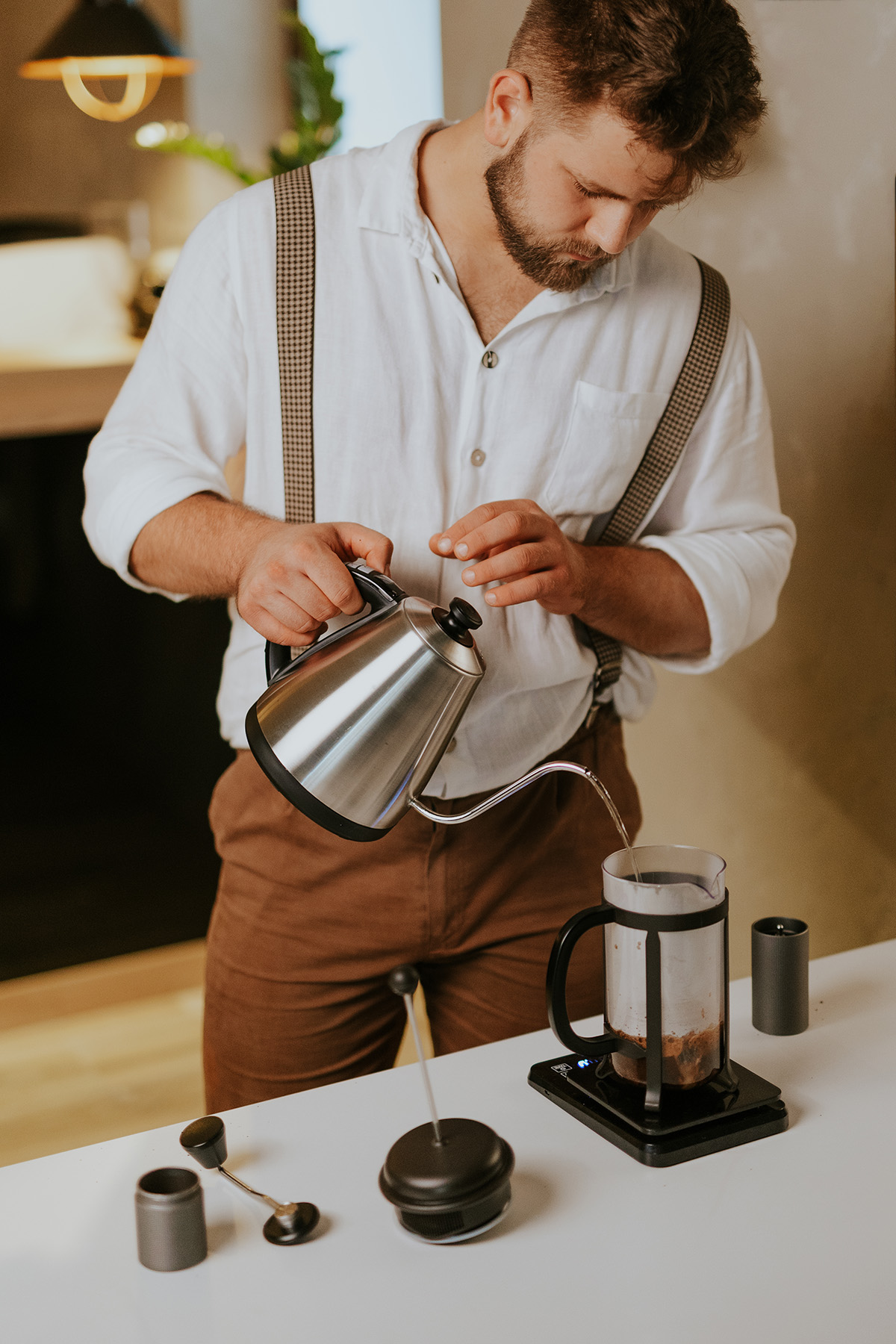
5. Bloom the coffee (pre-infusion)
Before fully immersing the coffee grounds, pour a small amount of hot water over them and let them sit for 30 seconds. This step releases trapped carbon dioxide and enhances extraction.
6. Brew and steep
Pour the remaining hot water over the coffee and stir gently. Cover the French press with the lid (without pressing the plunger) and let the coffee steep for 4–5 minutes. Longer steeping times will increase the intensity and body of the brew.
7. Press the plunger
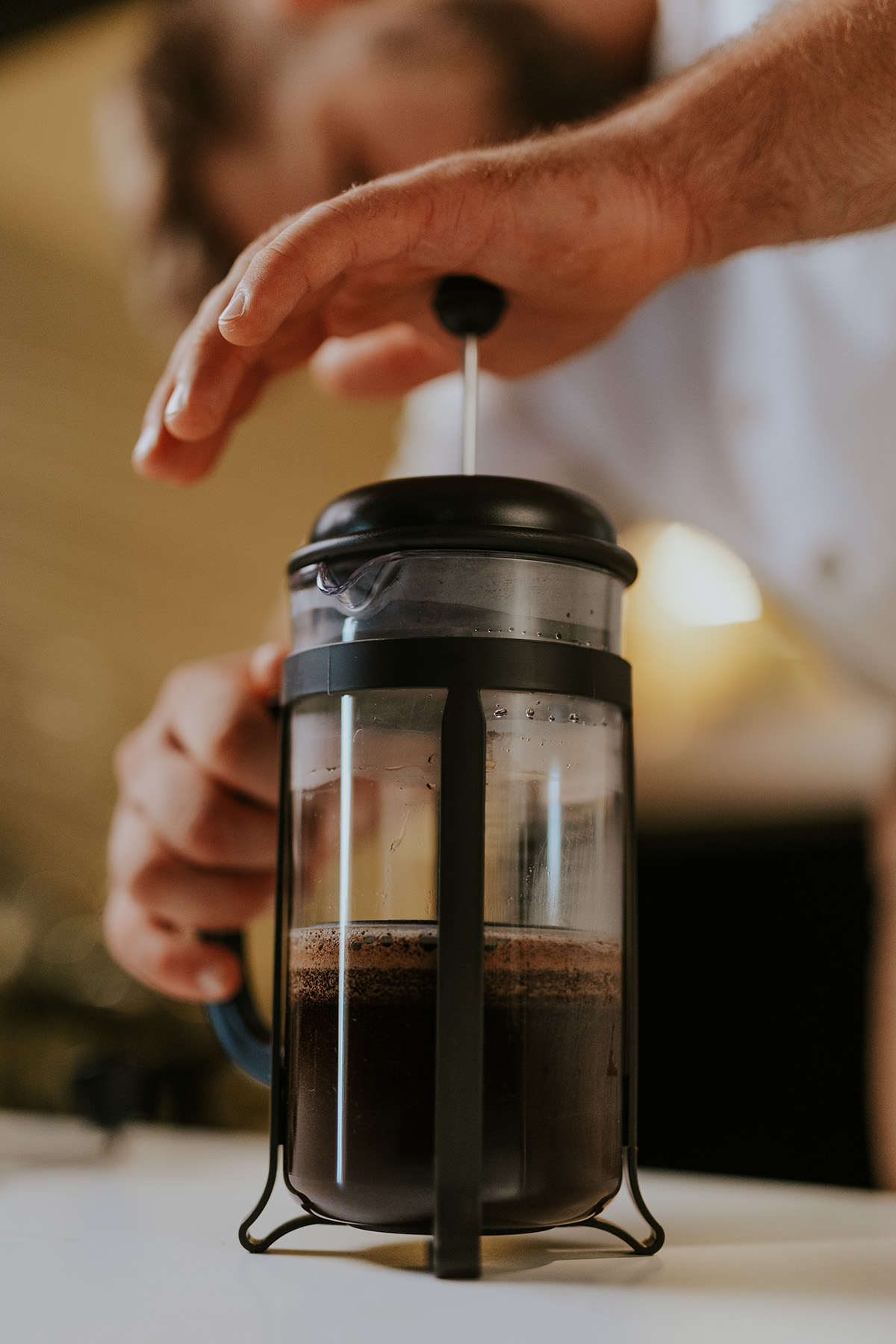
Slowly and gently press the plunger down to separate the grounds from the liquid. Avoid using too much force to prevent coffee grounds from escaping through the filter.
8. Serve and enjoy
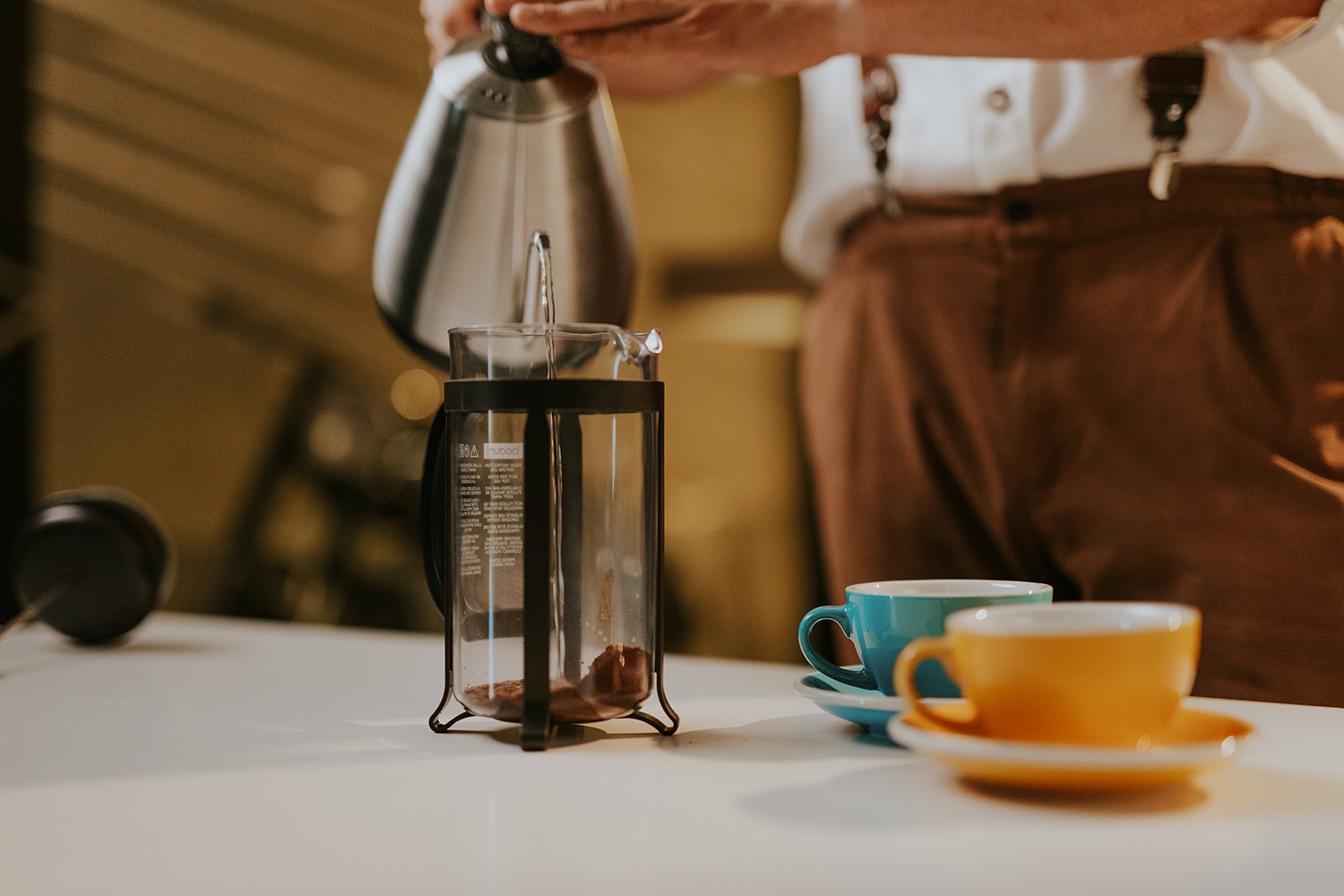
Immediately pour the coffee into cups to prevent further extraction, which can cause bitterness.
What does French press coffee taste like?
French press coffee is known for its rich, full-bodied texture and deep flavor. Unlike pour-over methods, which produce a cleaner, lighter cup, the French press retains the natural oils and fine coffee particles, resulting in a heavier mouthfeel.
Compared to other brewing methods:
- French press vs. espresso – Espresso is more concentrated and intense, while French press coffee is smoother and more balanced.
- French press vs. drip coffee – Drip coffee is lighter and cleaner due to paper filtration, whereas French press coffee has more depth and texture.
Final thoughts
The French press is an excellent brewing method that offers simplicity, versatility, and a rich coffee experience. Whether you are a specialty coffee enthusiast, a beginner, or a minimalist, this brewing technique allows for experimentation and customization to suit your taste preferences.
By selecting high-quality beans, using the correct grind size, and adjusting the brewing time, you can unlock new flavors and aromas in every cup. Happy brewing!
