


If you are looking for a simple but impressive crustless cheesecake, without a long list of ingredients, this recipe is for you. It works beautifully both for special occasions and for everyday serving.
For many people around the world, a coffee break is nothing more than a brief moment to sip a hot drink between tasks — and often, there’s barely time for even that. In Sweden, however, it’s something more. Fika is a deeply rooted tradition that blends social, culinary and cultural elements. In this article, we take a closer look at what fika really is, where it comes from, and the role it plays in the everyday lives of Swedes.
What is fika?
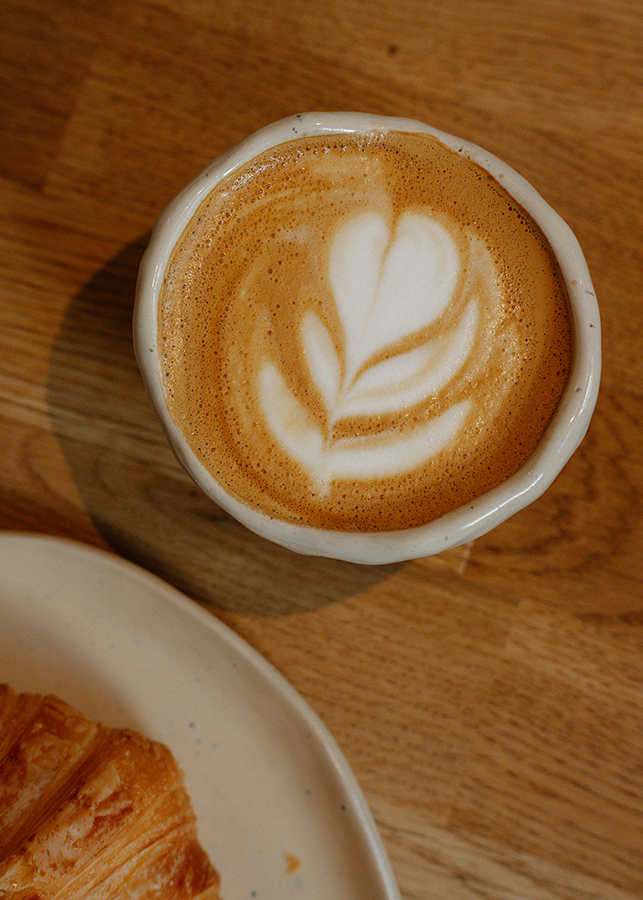
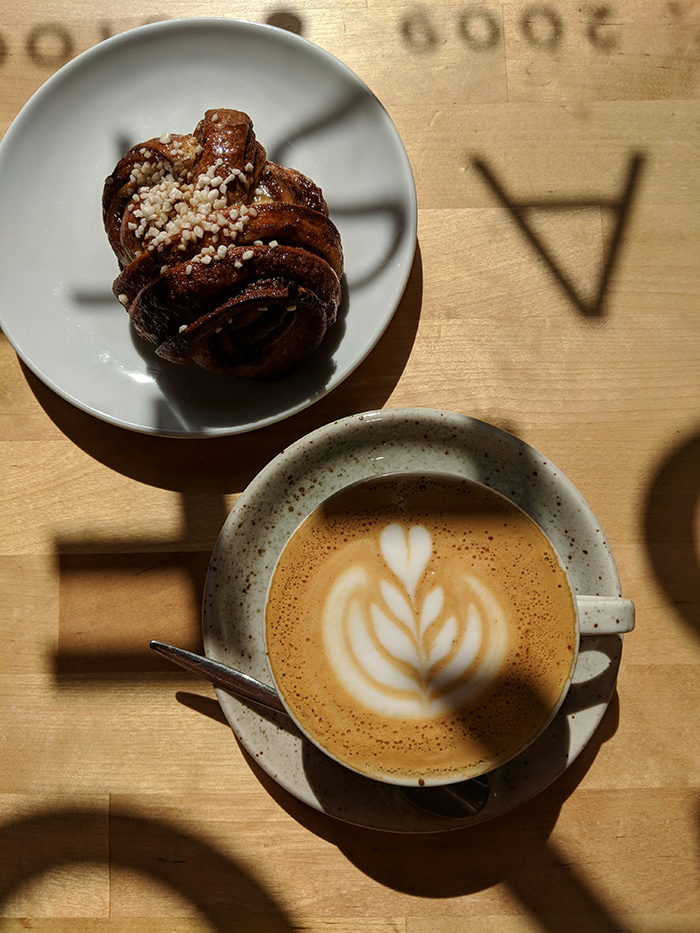
Fika (pronounced "fee-ka") is one of those words that’s tricky to translate directly — it means both the act of taking a coffee break and the broader ritual surrounding it. It can be used as a noun (en fika) or a verb (att fika – to have a fika). In practice, it’s the moment you pause to have a coffee — often in the company of others — and enjoy something sweet, typically a traditional Swedish cake or a cinnamon bun (kanelbulle).
There are no fixed rules for fika, but it’s often described as “a time to slow down and connect with others over a cup of coffee”. For many Swedes, it’s a daily ritual — whether at work, at home or in a café.
Where did fika come from?
The word fika likely originated in the 19th century as a playful rearrangement of kaffi — an old dialect word for coffee (kaffe in modern Swedish). While coffee was introduced to Sweden in the 17th century, it wasn’t until the 20th century that regular coffee breaks began to gain real social and cultural significance. Over time, fika evolved into something more than just consumption — it became a moment for connection, a symbol of community, and a way to balance work and life.
Fika at work and in daily life
Today, fika is often practised in workplaces, schools and homes across Sweden. Although it’s not mandated by law or policy, many teams and companies choose to schedule regular coffee breaks together. It’s a moment to pause, exchange thoughts and — as Swedes themselves point out — mentally reset during the workday.
Is it more of a cultural tradition or a tool for improving wellbeing and productivity? That’s hard to say. However, one study published in Frontiers in Psychology (2024) found that participants reported significantly lower levels of sleepiness on days when fika was held, compared to days without it — suggesting that it may offer genuine psychological benefits.
Sweden’s coffee culture and the meaning of fika
According to 2024 data from CBI, Sweden ranks third in Europe for per capita coffee consumption — with the average Swede drinking around 9.9 kg of coffee per year. A 2023 survey commissioned by Löfbergs found that 8 in 10 Swedes drink coffee daily, with 73% preferring filter brew. So it’s clear that coffee plays a prominent role in Swedish daily life.
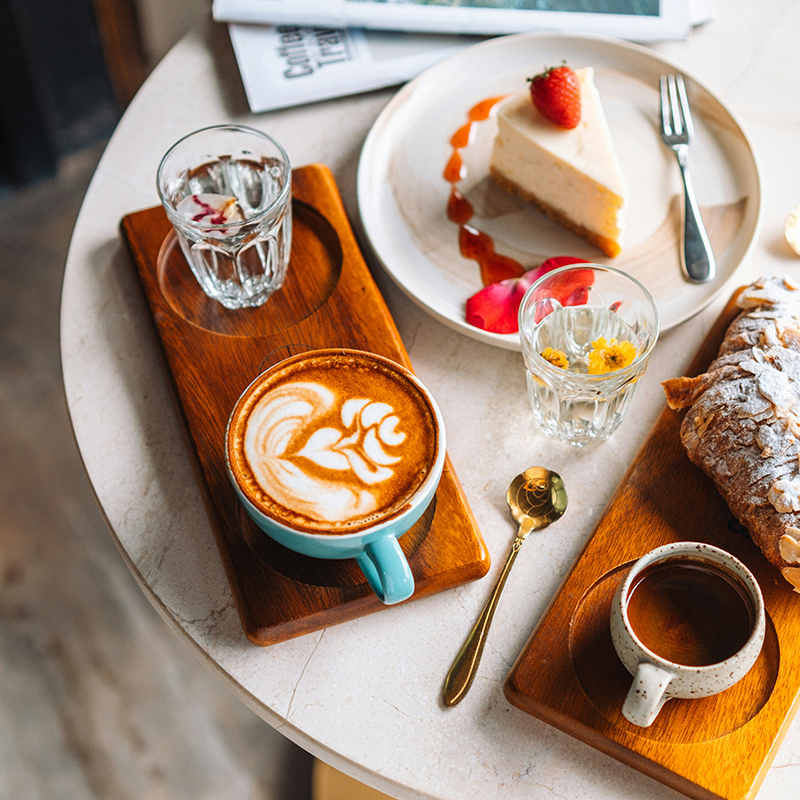
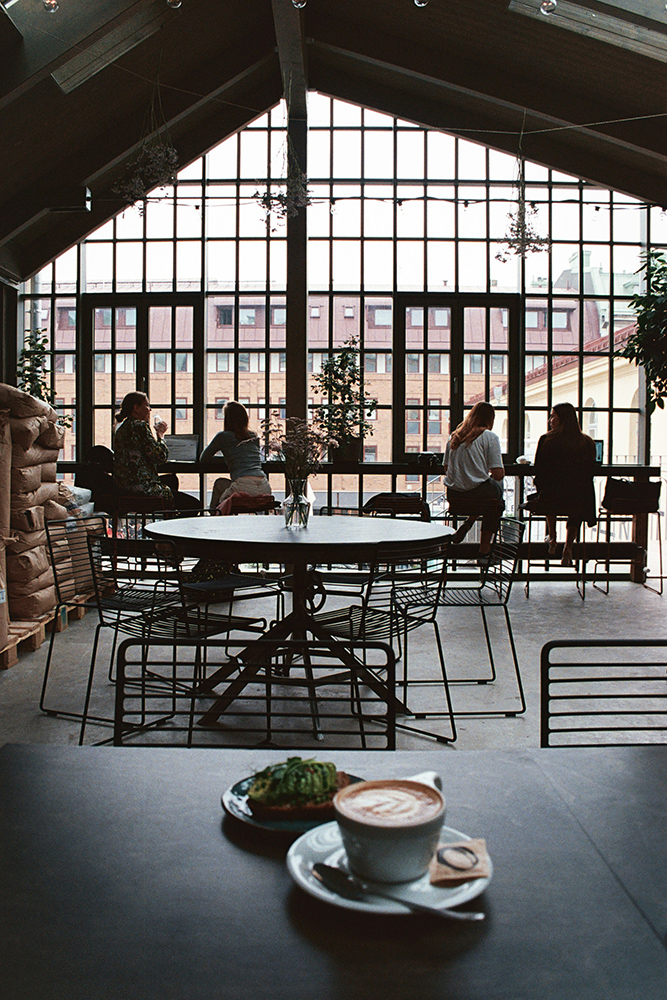
But coffee culture in Sweden is also deeply social. Cafés serve not just a gastronomic function, but also a social one — as spaces for meeting, relaxing and catching up. Especially on weekends or in the afternoons, many people gather for fika outside the home — with family, friends or colleagues. It’s one of those elements of the Swedish way of life that reflects broader values like balance, trust and simplicity.
More than “just a break”?
Fika is a powerful example of how coffee can play a social role — helping to build relationships, structure the day and provide moments of calm. It’s neither a formal obligation nor a forced habit, yet it has become an integral part of everyday life in Sweden. And while everyone has their own way of enjoying coffee, fika reminds us that what happens around the cup can be just as meaningful as the drink itself.
