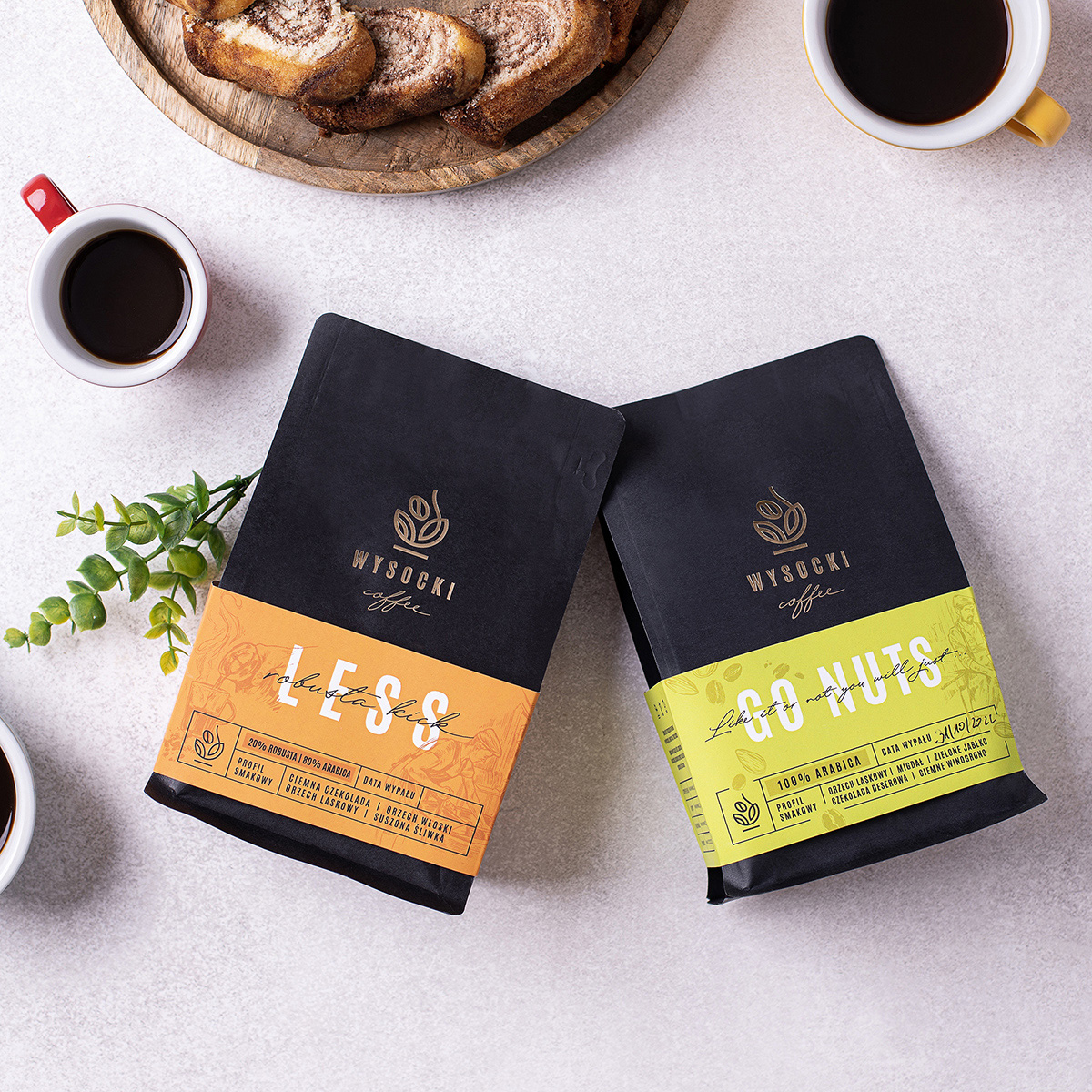
If you are looking for a simple but impressive crustless cheesecake, without a long list of ingredients, this recipe is for you. It works beautifully both for special occasions and for everyday serving.
Easter traditions
Easter is one of the most significant Christian holidays, celebrated worldwide by followers of the faith. Since Christianity has spread across different continents and cultures, Easter traditions vary depending on the region.
In many countries, Easter customs revolve around eggs, symbolizing life and rebirth. In Poland, painting and decorating eggs is a beloved tradition, as is the święconka—the blessing of Easter foods in church on Holy Saturday. Similar customs exist elsewhere, such as in Germany, where children participate in Osterbrunnen, decorating public fountains and wells with eggs, flowers, and greenery.
In Spain and Mexico, religious processions and reenactments are an integral part of Easter celebrations. Meanwhile, in the UK and the United States, Easter egg hunts and family gatherings around festive meals take center stage.
Easter treats around the world
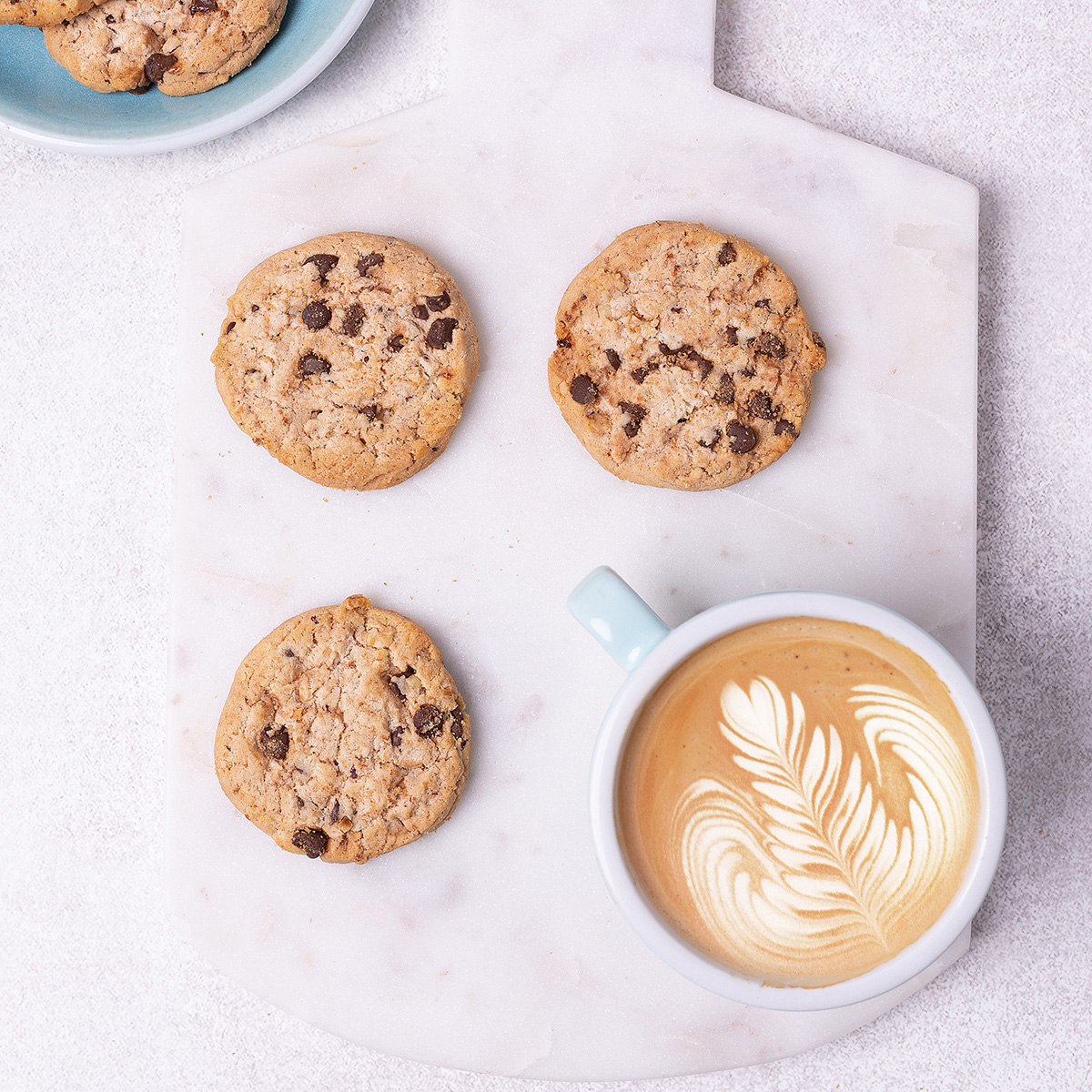
Easter sweets vary from culture to culture. In Poland and other Central and Eastern European countries, traditional baked goods include mazurki, cheesecakes, and babka cakes. In contrast, in the United States, Easter is often associated with chocolate bunnies and eggs.
Easter traditions are deeply rooted in a country’s religious and cultural heritage, shaped by history and migration. Passed down from generation to generation, they hold great significance as part of national identity. This is especially true for Easter baking traditions, which are diverse and rich in symbolism.
In Germany, Easter mazurki are made with yeast dough and marzipan. In Sweden, a popular Easter treat is semla—sweet buns filled with almond paste and whipped cream. In Venezuela, Bien Me Sabe is a well-loved coconut cream cake with soft, moist layers. The name translates to "it tastes good to me." Another favorite in Venezuela is Papitas de leche, milk-based fudge or truffles made with condensed milk.
Sicily also boasts an array of unique Easter cakes. One of the most famous is a ricotta cake with honey and citrus, said to have originated in ancient Rome. It often includes einkorn or spelt grains, symbolizing rebirth, and sometimes dried fruit, representing the transition from old life to new. In southern Sicily, the cake is typically spiced with cinnamon and ground coriander seeds, while on the western coast, it may be flavored with rose or orange blossom water, chopped pistachios, or even licorice.
Along the Caribbean coast of Panama and Colombia, Enyucado is a cherished Easter dessert. This cassava cheesecake is made from shredded yuca, a white cheese similar to cottage cheese, sugar, coconut, butter, and star anise, resulting in a wonderfully textured, sweet treat.
These regional Easter desserts not only reflect cultural and religious traditions but also embody the joy of Easter celebrations and the spirit of togetherness. No matter where you are in the world, dessert is a unifying element of Easter feasts.

The Polish Easter table
In Poland, Easter is a time of grand celebrations following six weeks of Lent. Churches, homes, and roadside chapels are adorned with colorful flowers and palms, while intricately decorated eggs fill Easter baskets. The Polish święconka basket symbolizes divine generosity, joy, and abundance. A staple of this tradition is sweet yeast bread or cake, such as babka.
Easter in Poland is synonymous with traditional holiday cakes. Here are a few of the most popular:
Mazurek
A shortcrust or sponge cake, mazurek is one of Poland’s most iconic Easter desserts. Some sources trace its origins to the 19th century, when it became a favorite among the Polish nobility. Over time, mazurki evolved to include a variety of toppings such as nuts, candied fruit, and milk-based creams. Today, they remain a key part of the Easter menu.
Babka
A tall, sweet yeast cake, babka is a classic Easter treat in Poland. Made with flour, eggs, butter, sugar, and yeast, it sometimes includes dried fruit, candied orange peel, or almonds. The origins of babka are debated—some say it comes from 18th-century German baking traditions, others trace it to Jewish cuisine, while another theory suggests it was inspired by Turkish kugel. There’s even speculation that it has roots in ancient Roman cakes made with flour, eggs, and wine. Whatever its origins, babka has remained a cherished Easter staple.
Sernik
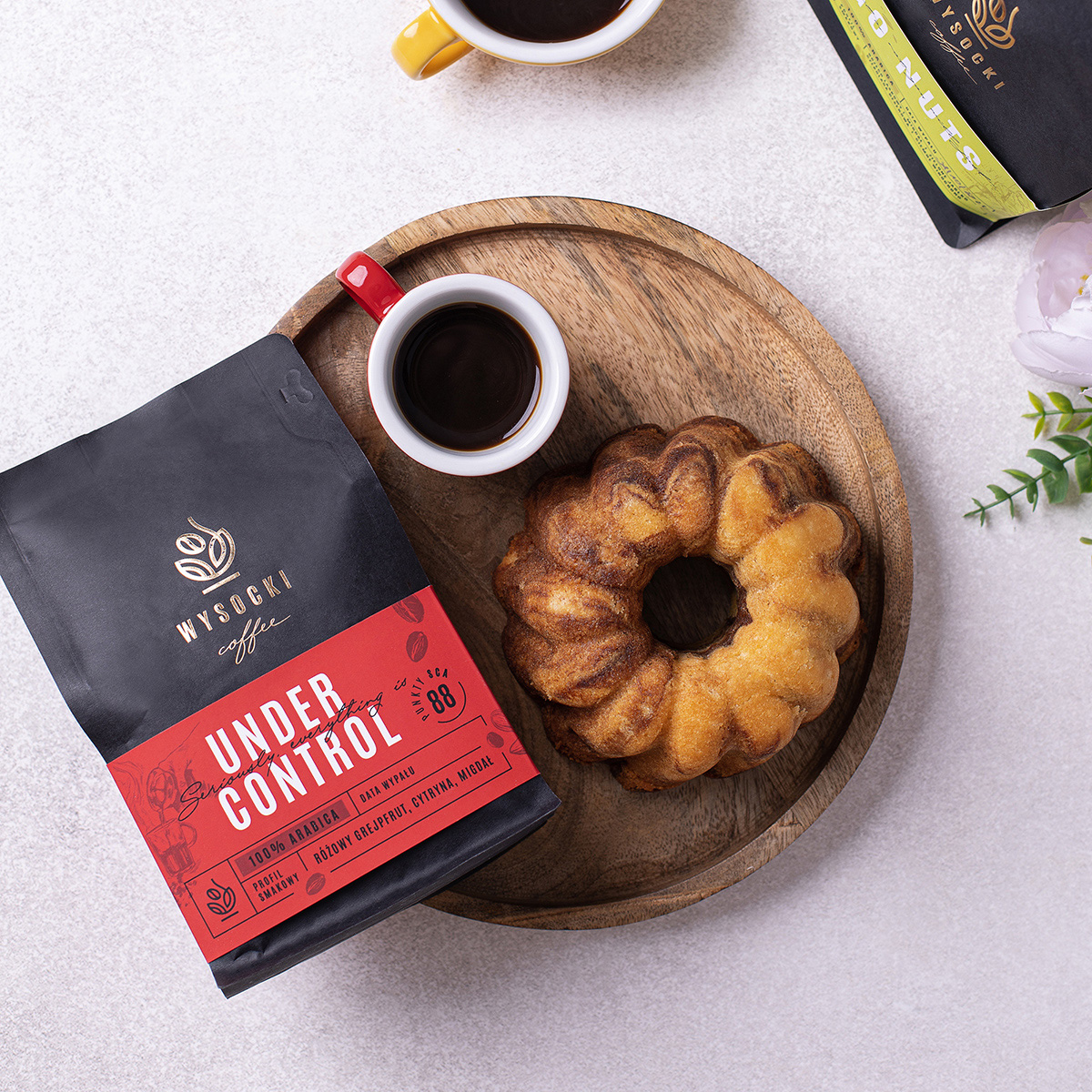
One of the most popular cakes in Poland, sernik (cheesecake) has been around since antiquity. Polish Easter cheesecakes are typically made with white cheese, eggs, sugar, flour, and vanilla pudding. However, variations abound—some include poppy seeds, dried fruit, or fresh berries, while others feature a tangy sour cream topping.
Miodownik
A layered honey cake flavored with cinnamon and cloves, miodownik is often filled with caramel or custard cream and topped with nuts.
Yeast cake
A staple of the Polish Easter table, yeast cakes come in various forms. Often enriched with raisins, dried fruit, or almonds, they have ties to ancient fertility rituals—once believed to bring prosperity and abundance in the coming year.
The best coffee pairings for Easter cakes
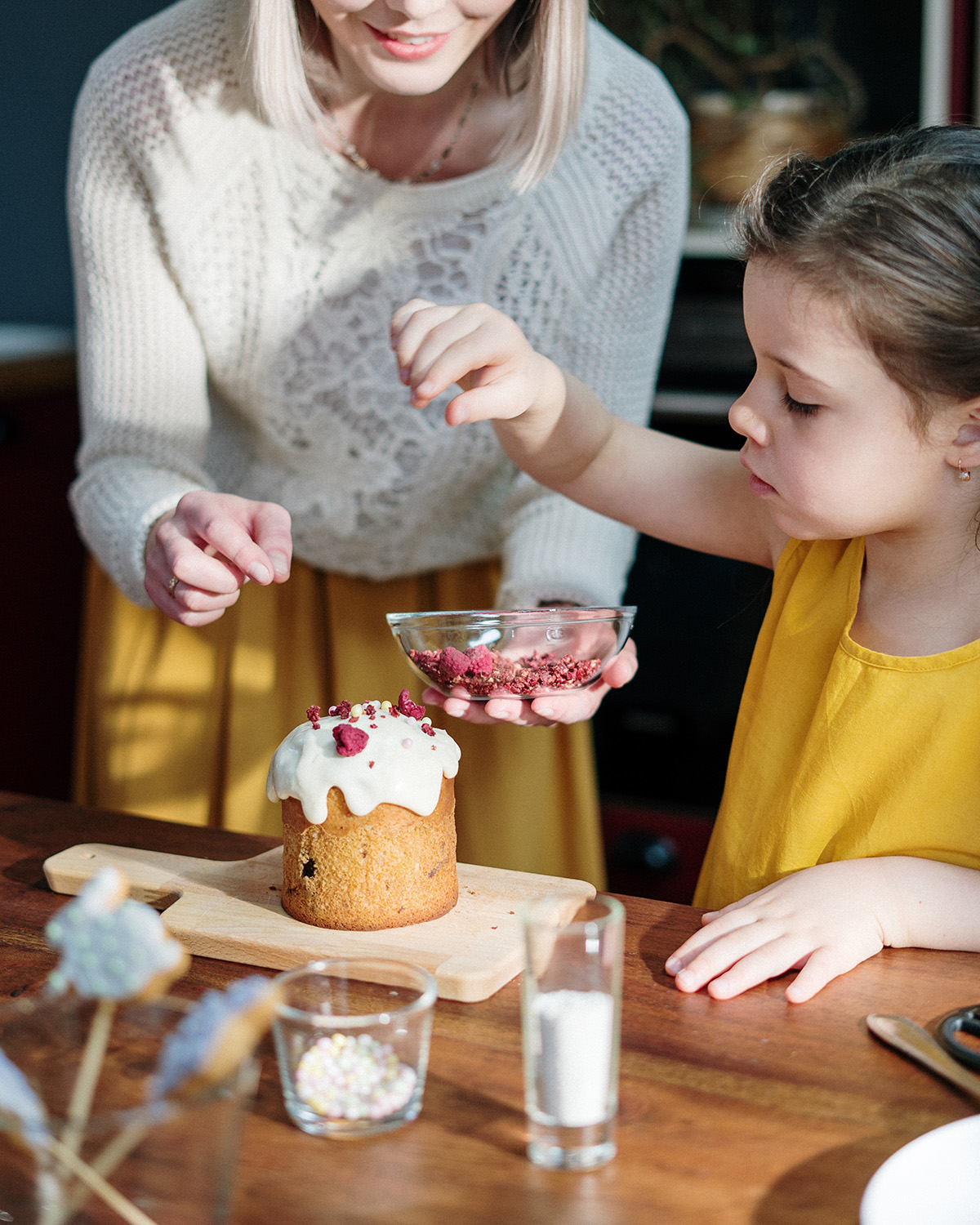
There’s no single perfect coffee for every cake, but some pairings can enhance the experience. The ideal choice depends on personal preferences and the specific recipe, but here’s our cheat sheet of coffee recommendations:
Coffee for cheesecake
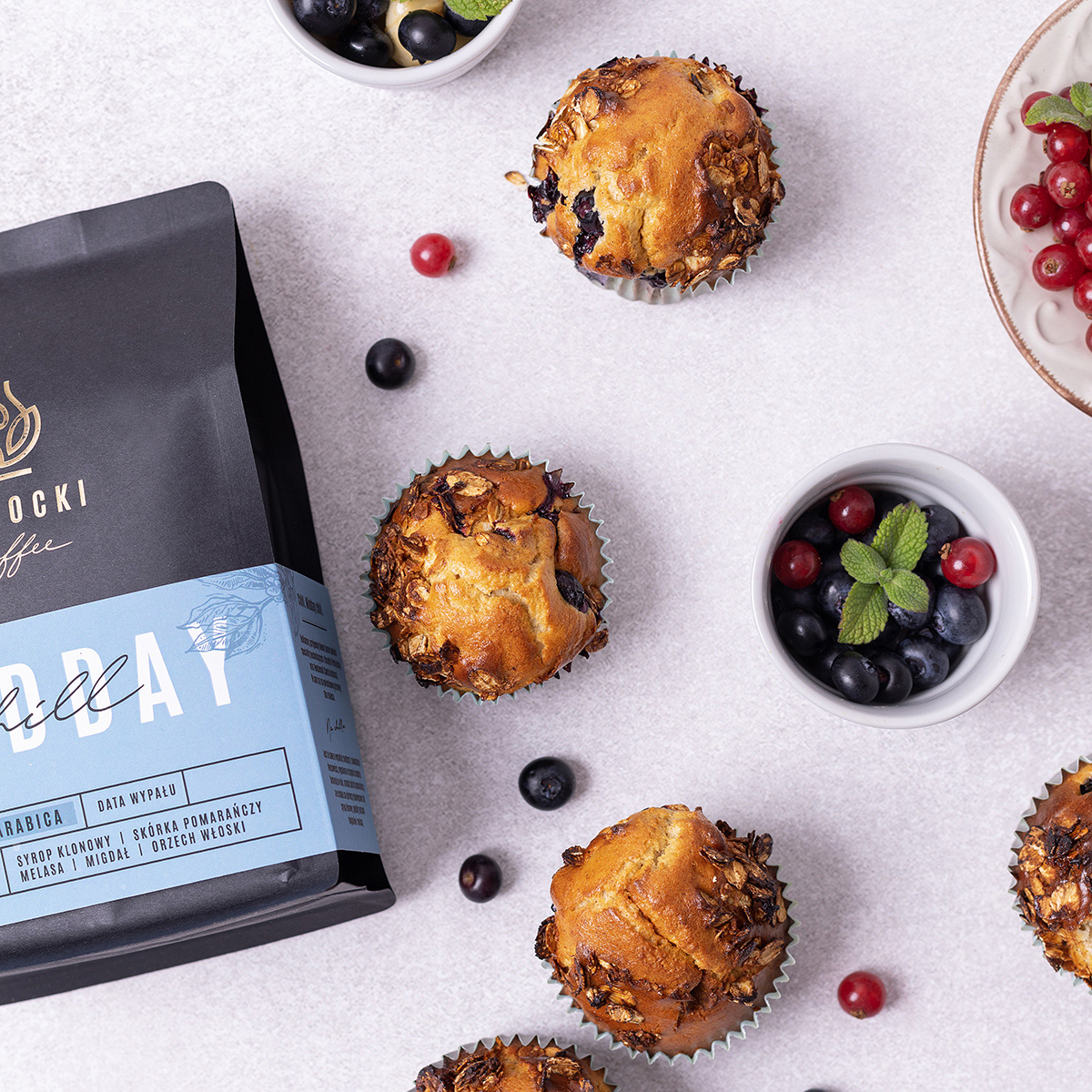
Mild, smooth coffees pair beautifully with classic cheesecake. Midday Chill, with its notes of nuts, maple syrup, and subtle fruitiness, works well as both espresso and a milk-based coffee. Alternatively, a pour-over coffee from Kenya, with bright citrus notes, offers an intriguing contrast to the cake’s sweetness.
For creamy cheesecakes, opt for coffee with a rich, velvety texture and sweet notes:
- Cappuccino with Brazilian Roast – The thick milk foam balances out the cheesecake’s creamy texture.
- Flat white with Midday Chill – A strong yet smooth coffee that highlights the cake’s richness.
- Vanilla latte – A subtly sweet choice that enhances the cheesecake’s flavor. This pairing works best with bold coffees featuring notes of vanilla, cocoa, and nuts, such as More Robusta Kick.

Coffee for babka
Since babka comes in many variations—glazed, chocolate-coated, fruit-filled, or plain—it’s a great cake to dip into warm coffee. Pour-over coffees, particularly those from Papua New Guinea or Guatemala, are excellent companions for any type of babka.
Coffee for mazurek
With its dense, rich flavor, mazurek pairs well with full-bodied, intense coffees. Brazilian Roast or Italian Style, with their chocolate and nutty notes, are great options. A Rwandan coffee with berry and honey flavors can also create a unique contrast.
Coffee for miodownik
For a honey cake like miodownik, strong, chocolatey coffees work best. Sunshine Por Favor and Brazilian Roast, with their caramel and nutty undertones, balance out the cake’s sweetness perfectly—especially when served as espresso or doppio.
At the end of the day, the best coffee is the one that suits your taste. Experiment with different beans, brewing methods, and flavor notes to discover the perfect match for your Easter treats.