


If you are looking for a simple but impressive crustless cheesecake, without a long list of ingredients, this recipe is for you. It works beautifully both for special occasions and for everyday serving.
Common coffee brewing mistakes – why doesn’t my coffee taste good?
Brewing a great cup of coffee requires precision and attention to detail. In this article, we examine the most common mistakes that can negatively impact the taste and aroma of your coffee. We’ll explain how factors such as bean selection, brewing time, water quality, and equipment maintenance all influence the final result. If you're looking to refine your coffee-making skills and enjoy a perfect cup every time, this guide is for you.
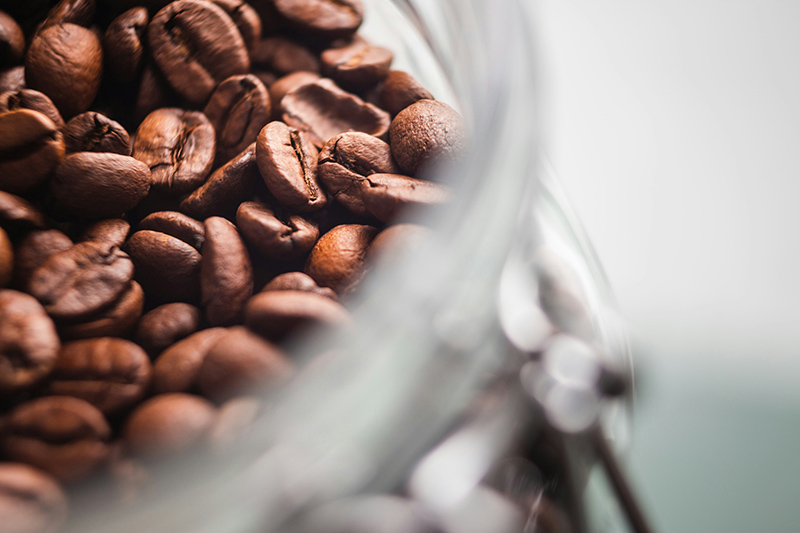
Poor-quality coffee beans
The quality of the beans is the foundation of a good cup of coffee. Using cheap, mass-produced coffee (often blends with a high percentage of Robusta or stale beans) results in a flat, bitter taste with little complexity or depth.
When buying coffee, pay attention to:
- Origin – single-origin coffees often offer more distinctive flavors.
- Freshness – check the roast date rather than the expiration date.
- Storage – poorly stored coffee (exposed to air, moisture, or light) loses its quality.
Specialty-grade Arabica typically delivers a richer and more nuanced flavor experience, making it worth the investment.
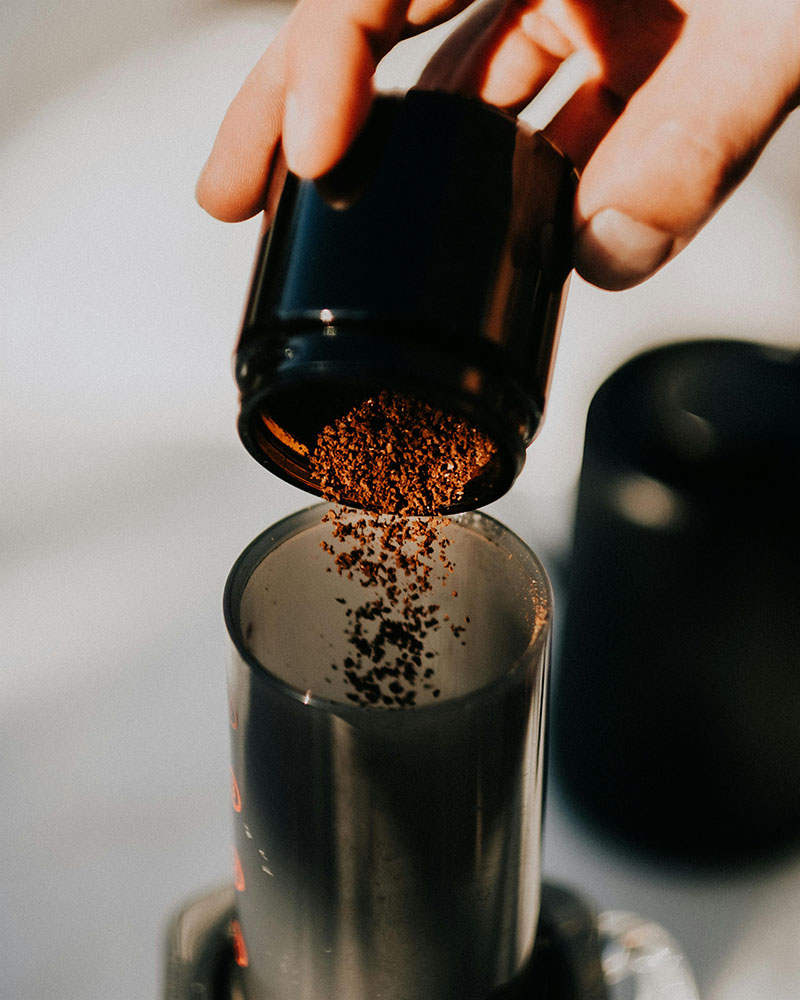
Grinding matters – the art of proper grind size
One of the most common mistakes is using the wrong grind size.
- Too fine – leads to over-extraction, resulting in a bitter, harsh taste.
- Too coarse – causes under-extraction, making the coffee weak and watery.
Matching grind size to your brewing method is essential:
- Espresso machines require a fine grind, similar to table salt.
- Pour-over methods (V60, Chemex) need a medium grind, similar to sea salt.
- French press or cold brew works best with a coarse grind, resembling breadcrumbs.
Pro tip: If your coffee tastes too bitter, try a coarser grind. If it’s sour or weak, grind finer.
How to store coffee properly
Freshness is crucial for flavor. Whole beans start losing their aroma shortly after roasting, so it’s best to consume them within 2–12 weeks. Ground coffee loses its freshness even faster—within hours of grinding.
To preserve flavor:
✔ Store coffee in an airtight, opaque container, away from light, moisture, and strong odors.
✔ Grind just before brewing to avoid oxidation and flavor loss.
✔ Avoid storing coffee in the fridge—it absorbs odors and can be exposed to moisture.
Pro tip: In our roastery, we use nitrogen flushing technology to preserve coffee freshness in individual sachets. By replacing oxygen with nitrogen before sealing, we prevent oxidation, ensuring each portion tastes as fresh as the day it was roasted. A true game changer for quality and convenience!
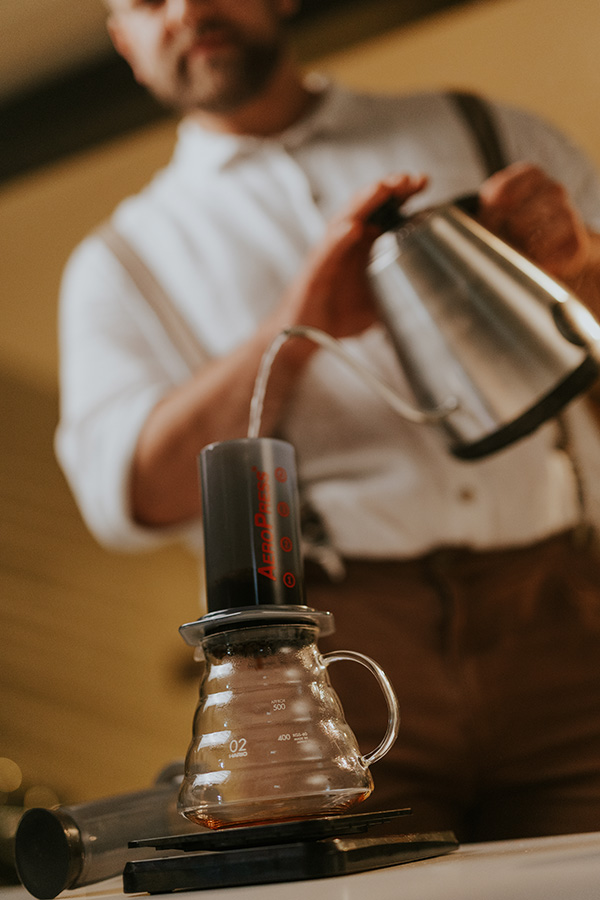
Water temperature – the foundation of coffee flavor
The temperature of the water plays a crucial role in coffee extraction.
- Too hot (above 96°C / 205°F) – over-extracts the coffee, making it bitter and harsh.
- Too cold (below 85°C / 185°F) – under-extracts the coffee, resulting in a flat, dull taste.
The ideal brewing temperature is 90–96°C (194–205°F), allowing for balanced extraction and full flavor development.
Pro tip: If you don’t have a thermometer, let boiling water sit for 30 seconds before pouring it over your coffee.
Getting the right coffee-to-water ratio
Using the correct coffee-to-water ratio is essential for achieving a balanced taste.
- Too little coffee = weak, watery, underwhelming brew.
- Too much coffee = overpowering, overly acidic, or bitter taste.
Ideal ratio:
📏 1:15–1:18 – meaning 1 gram of coffee per 15–18 grams of water.
Using a kitchen scale ensures consistency and helps you fine-tune your brewing for optimal results.
Preparing coffee filters correctly
Failing to rinse paper filters before brewing can lead to an unpleasant papery taste in your coffee.
Best practice:
- Rinse the filter with hot water before brewing to eliminate unwanted flavors.
- For reusable filters, clean them thoroughly after each use to prevent coffee oils and residue buildup.
Grinding fresh – why it’s so important
Pre-ground coffee might be convenient, but it loses its aroma and flavor quickly. Once ground, coffee has a much larger surface area exposed to oxygen, which accelerates oxidation and depletes the essential coffee oils responsible for its taste.
Investing in a burr grinder significantly improves coffee quality. Blade grinders chop coffee unevenly, leading to inconsistent extraction—some grounds are over-extracted, while others are under-extracted. A burr grinder ensures uniform particles, allowing for better flavor balance.
Cleaning your coffee equipment – does it really matter?
Yes! Regular cleaning isn’t just about hygiene—it directly affects your coffee’s taste and quality.
Why it’s important:
- Better taste – leftover coffee oils and residue create bitterness in future brews.
- Longer equipment lifespan – descaling and cleaning prevent clogs and malfunctions.
Pro tip: Follow the manufacturer’s cleaning recommendations for espresso machines and grinders. For manual brewers like the AeroPress or French press, rinse and wash after every use to maintain optimal flavor.
How water quality affects coffee flavor
Since coffee is 98% water, its quality matters.
- Hard water (high in minerals like calcium and magnesium) – can make coffee bitter and lead to scale buildup in equipment.
- Soft water (low in minerals) – often results in flat, dull coffee.
Optimal water parameters:
💧 pH around 7 (neutral).
💧 Balanced mineral content to enhance natural coffee flavors.
Solution:
- Use filtered water—a simple water filter pitcher can greatly improve your coffee’s taste.
- Replace filters regularly to maintain consistent water quality.
Choosing the right brewing method for your coffee
Not every coffee is suited for every brewing method.
- Light-roasted beans (with delicate flavors) are best for pour-over methods like Chemex or V60.
- Dark-roasted beans work well for espresso, bringing out their bold, intense flavors.
Using the wrong brewing method can result in under-extraction (weak, sour coffee) or over-extraction (bitter, harsh coffee).
Brewing time – the secret to balanced coffee
Brewing time significantly impacts the final flavor:
- Too short = under-extracted, acidic, watery coffee.
- Too long = over-extracted, overly bitter coffee.
Recommended brewing times:
- Espresso: 25–30 seconds.
- Pour-over: 2.5–4 minutes.
- French press: 4 minutes.
Using a timer while brewing helps achieve consistent, high-quality results.

The key to great coffee? Practice and precision!
A well-brewed cup of coffee is the result of attention to detail at every stage—from selecting fresh, high-quality beans to precise brewing techniques. Avoiding these common mistakes will dramatically improve the flavor and aroma of your coffee.
And remember, the best coffee is the one you refine through practice. Keep experimenting, keep tasting, and enjoy the process—because practice makes perfect!
