


If you are looking for a simple but impressive crustless cheesecake, without a long list of ingredients, this recipe is for you. It works beautifully both for special occasions and for everyday serving.
Decaffeinated coffee – how is it made, is it healthy, and when should you drink it?
What is decaffeinated coffee and how is it made?
Decaffeinated coffee is made from regular coffee beans that undergo a process to remove most of the caffeine while preserving their flavor and aroma. Contrary to popular belief, decaf coffee is not a different variety of coffee—it originates from the same beans as standard coffee, but the decaffeination process ensures minimal caffeine content while retaining the coffee's essence.

Three methods of coffee decaffeination
Decaf coffee is becoming increasingly popular among those who enjoy the taste of coffee but want to reduce their caffeine intake. The decaffeination process is carried out using three main methods, each with its unique characteristics. Understanding these methods helps in appreciating the quality and health impact of decaffeinated coffee.
Swiss Water Process – water-based decaffeination
The Swiss Water Process is one of the oldest and safest techniques for decaffeinating coffee. The beans are soaked in hot water, causing the caffeine and other soluble compounds to dissolve. This water is then filtered through activated carbon, which removes only the caffeine molecules. The beans are later reintroduced into the same water to restore their natural flavors and nutrients.
This method is widely praised because it preserves the original taste of the coffee and minimizes the use of chemicals, making it a preferred choice for health-conscious consumers.
Supercritical carbon dioxide decaffeination
This modern technique is gaining popularity due to its efficiency and minimal impact on health. The beans are exposed to supercritical carbon dioxide under high pressure, which acts as a solvent, binding only with caffeine molecules and leaving other flavor compounds intact.
Since no harmful chemicals are used, this method is often considered a more eco-friendly option.
Solvent-based decaffeination
The solvent method is one of the most widely used techniques. The beans are soaked in water to soften them, then treated with a solvent such as methylene chloride or ethyl acetate, which extracts the caffeine. The beans are then thoroughly cleaned to remove any remaining chemicals.
While this method may raise some concerns about chemical exposure, reputable coffee producers follow strict quality control measures to ensure the final product is free from harmful residues.
Which decaffeination method is best?
Each method has its advantages and drawbacks, but none eliminate caffeine entirely. In the European Union, decaffeinated coffee must contain no more than 0.1% caffeine.
Choosing the right decaffeination process affects not only the taste and aroma but also the health benefits of the coffee. It's essential to check the production method to enjoy the best quality decaf coffee.
Benefits of drinking decaffeinated coffee
Reducing excessive caffeine intake
Decaf coffee is an excellent option for those who want to avoid the negative effects of too much caffeine. While caffeine is known for its stimulating properties, it can lead to sleep disturbances. Choosing decaf allows coffee lovers to enjoy their favorite drink even in the evening without affecting their sleep.
Additionally, caffeine can exacerbate anxiety symptoms, so people prone to nervousness may find relief in drinking decaffeinated coffee. Those with high blood pressure may also benefit, as decaf coffee does not contribute to further increases in blood pressure, allowing them to enjoy coffee without health risks.
Rich in antioxidants
Both regular and decaf coffee are sources of powerful antioxidants, including chlorogenic acid and caffeic acid, which help neutralize free radicals that contribute to cell damage and aging. Some studies suggest that these antioxidants may lower the risk of cardiovascular diseases.
Effects on metabolism
Drinking decaf coffee may also have a positive impact on metabolism. Chlorogenic acid can help regulate blood sugar levels, which is beneficial for those at risk of diabetes. Additionally, regular consumption of decaf coffee may support metabolic processes, aiding in weight management.
Is decaffeinated coffee healthy?
Decaf coffee retains many of the health benefits of regular coffee. Some studies indicate that decaffeinated coffee may protect the liver by aiding in toxin elimination. Thanks to its antioxidant properties, decaf coffee may also contribute to heart health, and unlike regular coffee, it does not increase blood pressure.
This makes decaf a safe option for people with high blood pressure, as well as pregnant and breastfeeding women, who are generally advised to limit caffeine intake.

Who should drink decaffeinated coffee?
Decaf coffee is an excellent choice for people who want to enjoy coffee while limiting caffeine for health reasons.
- Individuals with sleep problems – since it does not interfere with sleep patterns.
- People with sensitive digestive systems – caffeine can cause stomach discomfort, while decaf is gentler on digestion.
- Those with heart disease or high blood pressure – as decaf coffee does not pose the same cardiovascular risks as regular coffee.
- Pregnant and breastfeeding women – who need to limit caffeine intake.
Which decaffeinated coffee is the healthiest?
The healthiest decaf coffee comes from trusted brands that use safe decaffeination processes. Choosing high-quality beans from reputable sources ensures the best taste and health benefits. Look for coffee processed using water-based or carbon dioxide methods, as they minimize or eliminate the use of chemicals, making them the best options for clean, natural decaf coffee.
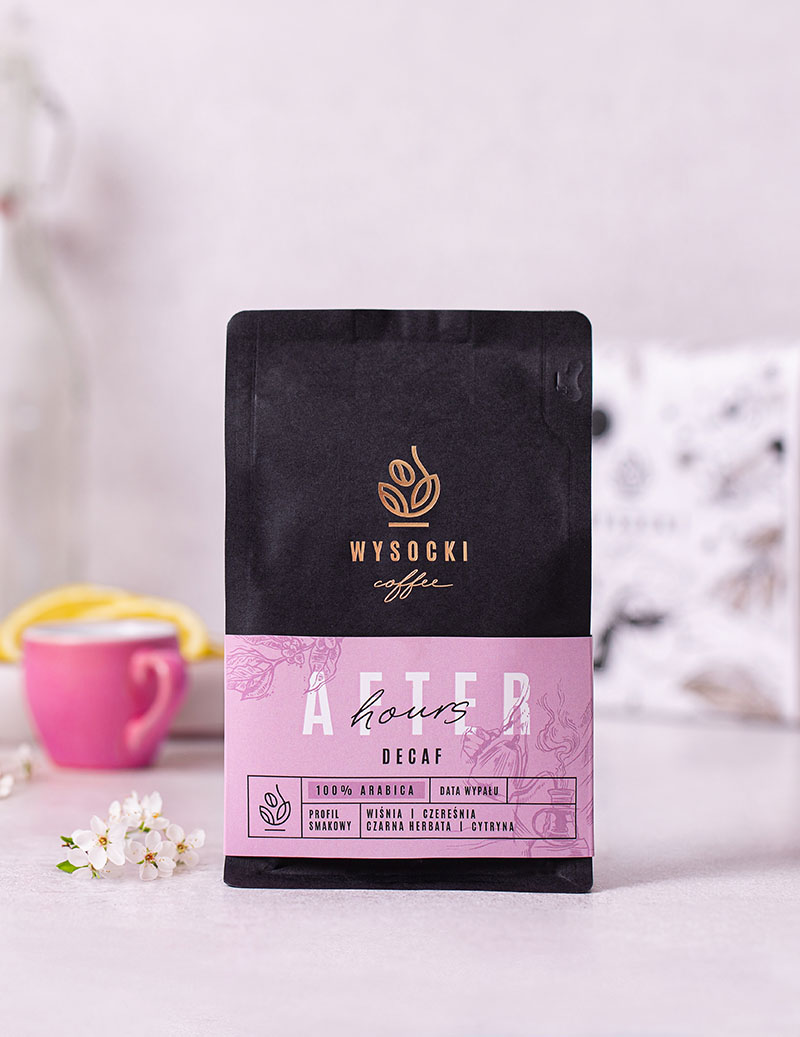
Decaffeinated coffee – final thoughts
Decaf coffee retains the rich flavor and aroma of regular coffee, making it an excellent option for those who love coffee but want to avoid caffeine. A high-quality decaf coffee can surprise with its depth and complexity of flavor, making it a great choice at any time of day.
For those who want to enjoy coffee without the stimulating effects of caffeine, decaf coffee is an increasingly popular choice on the market.
