


If you are looking for a simple but impressive crustless cheesecake, without a long list of ingredients, this recipe is for you. It works beautifully both for special occasions and for everyday serving.
Body in coffee – what is it?
What is “body” in coffee and how is it perceived?
Body, also known as coffee mouthfeel, refers to the texture, weight, and fullness of the brew as experienced in the mouth. It does not describe the flavor but rather the sensation that accompanies drinking coffee. A useful comparison is the difference between different types of milk—ranging from light, skimmed milk to thick, full-fat milk. In coffee, body describes the intensity and presence of the brew on the palate. There are three primary categories of body:
- Full body – rich, heavy, and intense
- Medium body – noticeable but not overwhelming
- Light body – subtle, delicate, almost “transparent”
Body is a key component of a coffee’s sensory profile, influencing the overall tasting experience alongside flavor notes, aroma, and acidity. A higher body is often desirable in specialty coffee, as it adds depth and complexity to the brew. However, the final preference depends on individual taste.
What influences body in coffee?
Body in coffee is shaped by several key factors, including the chemical composition of the beans, processing methods, roasting levels, and brewing techniques. The primary compounds responsible for body are soluble substances such as oils, sugars, and fine particles that are extracted during brewing, giving the coffee its distinctive texture.
Insoluble compounds also play a role. Brewing methods like the French press, which lack paper filters, allow more of these fine particles and oils to remain in the final brew, leading to a heavier body. In contrast, pour-over methods such as drip coffee or Chemex, which use paper filters, trap most of the oils and solids, resulting in a lighter body.
Body and coffee bean varieties
The type of coffee beans used has a direct impact on body. The two most popular coffee species, Arabica and Robusta, differ significantly in this aspect.
- Arabica beans generally have a lighter body, due to their lower concentration of soluble compounds and caffeine. They often exhibit floral and fruity notes, further emphasizing their delicate texture.
- Robusta beans, on the other hand, contain higher levels of caffeine and soluble compounds, leading to a fuller body and a more bitter taste. Robusta-heavy blends are often preferred for espresso, where a rich, heavy body is desirable.
Body and coffee-growing regions
The body of a coffee is closely tied to its origin. Factors such as climate, soil composition, cultivation methods, and post-harvest processing all contribute to the mouthfeel of the final cup. However, even within the same region, variations in processing techniques and microclimates can lead to differences in body.
African coffees
Coffees from Ethiopia and Kenya often have a lighter body, particularly when processed using the washed (wet) method, which removes fruit pulp before drying, resulting in a cleaner taste. However, naturally processed Ethiopian coffees tend to have a fuller body, with a richer, fruitier profile. African coffees are prized for their complex aromas, featuring floral, citrus, and fruity notes that appeal to those who enjoy more delicate flavors.
Central American coffees
Coffees from Costa Rica, Guatemala, and Honduras are often balanced, with a medium body. These regions primarily use washed processing, which enhances clarity in flavor.
- Costa Rican coffee tends to have caramel, nut, and citrus notes.
- Guatemalan coffee is known for chocolate, spice, and nutty flavors.
However, honey-processed and naturally processed coffees from these regions can exhibit heavier body and more intense sweetness.
Southeast Asian coffees
Coffees from Indonesia, particularly Sumatra, are famous for their full body, which results from a unique wet-hulling (giling basah) processing method. This technique, adapted to the humid climate, retains more oils and fine particles, creating a dense, syrupy texture. Sumatran coffees often have earthy, woody, and sometimes smoky notes.

How water affects body in coffee
Water plays a crucial role in shaping the body of coffee, as its mineral composition and hardness directly affect the extraction of oils, sugars, and other compounds from the coffee grounds.
- Soft water (low mineral content): Can lead to under-extraction, resulting in a coffee with a flat taste and subtle body.
- Hard water (high mineral content): May cause over-extraction, making the coffee bitter and heavy but also contributing to a fuller body.
- Optimal water: A balanced mineral content allows for ideal extraction and enhances body. The Specialty Coffee Association (SCA) recommends a mineral content of 75–150 ppm (parts per million) for the best coffee experience.
How roast level impacts body
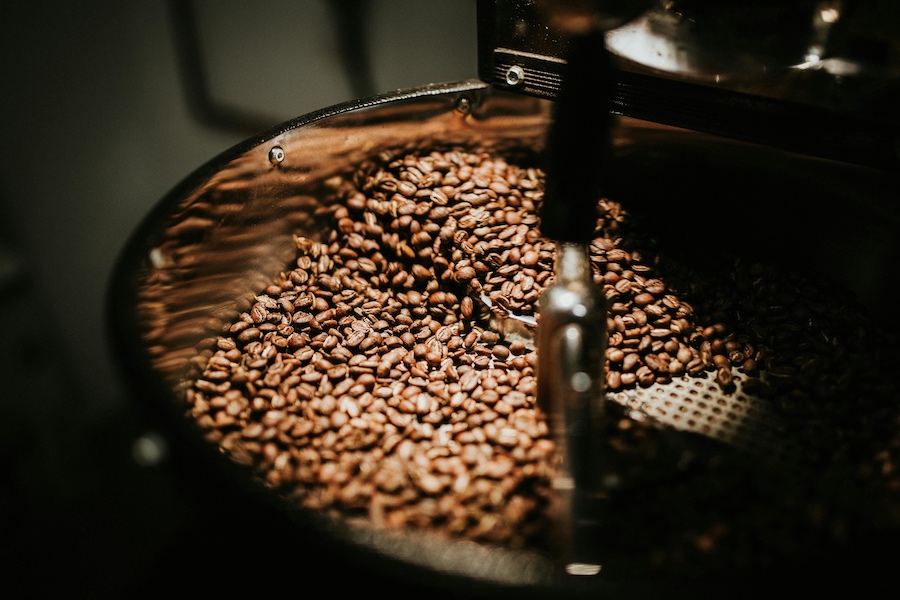
Roasting directly affects the body of the coffee. During roasting, sugars and oils caramelize, altering the coffee’s structure and flavor profile.
- Light roast: Retains fewer oils, leading to a lighter body with higher acidity and fruity flavors.
- Medium roast: Balances body and acidity, offering a more rounded flavor.
- Dark roast: Has a fuller body, as more oils are released, resulting in a heavier, richer cup with deep, bold flavors.
Processing methods and their effect on body
Post-harvest processing has a huge impact on body and overall flavor profile.
- Washed (wet) process: Removes the fruit pulp before drying, resulting in a cleaner, lighter body that emphasizes acidity and delicate flavors.
- Natural (dry) process: Dries the coffee cherries with the fruit still attached, allowing sugars and oils to penetrate the beans. This leads to a fuller body and richer, fruit-forward flavors.
- Honey process: A hybrid method where some fruit pulp is left on the beans during drying. This produces a medium body with a complex, sweet character. Variations such as red honey or black honey differ in body intensity based on the amount of fruit left on the beans.
Brewing methods and their impact on body
Different brewing techniques extract varying amounts of oils and soluble compounds, significantly affecting the final texture of the coffee.
- Espresso: Brewed under high pressure, espresso has an intense, full body due to the extraction of oils and fine particles.
- French press: Retains all oils and fine particles, producing a rich, velvety texture with a heavy body.
- Pour-over (drip, Chemex): Uses paper filters, removing oils and yielding a cleaner, lighter-bodied coffee.
- Cold brew: Despite its long extraction time, cold brew tends to have a smooth body with mild, low-acid flavors.

Does body matter?
Body is an essential element of the coffee-tasting experience, influencing how the drink feels on the palate. However, it is not an indicator of quality—it’s purely a matter of personal preference.
- Full-bodied coffees work well with milk-based drinks like cappuccinos and lattes, as they maintain their richness even when mixed with dairy.
- Lighter-bodied coffees shine when served black, allowing their delicate floral and citrus notes to stand out.
For coffee professionals, understanding body is key to creating a well-balanced and enjoyable coffee experience. Whether you prefer a light, silky brew or a bold, heavy-bodied cup, body plays a crucial role in shaping the way we experience coffee.
