


If you are looking for a simple but impressive crustless cheesecake, without a long list of ingredients, this recipe is for you. It works beautifully both for special occasions and for everyday serving.
Acidity is one of the key characteristics of coffee, yet it can also be a source of confusion. It contributes to the depth and complexity of flavor but is often perceived differently—some appreciate it, while others find it off-putting. Keep reading to learn more about acidity in coffee.
Acidity in coffee – a desirable trait or a flaw?
Acidity is just one component of coffee’s flavor, meaning it is neither inherently positive nor negative. The crucial factor is how well it harmonizes with other characteristics such as body, sweetness, and intensity.
Many coffee drinkers have mixed feelings about acidity, often due to past experiences that led to negative associations. Personal preferences and mood also play a role—some people simply dislike fruity coffee profiles or are not always in the mood for bright, acidic flavors, preferring sweeter, milder coffees instead.
However, it's essential to differentiate between pleasant acidity and unpleasant acidity, or rather, intended acidity versus accidental acidity. A coffee being “sour” doesn’t always mean it was supposed to taste that way, and sometimes, improper brewing techniques can exaggerate undesirable flavors.

What is “pleasant acidity”?
When describing coffee with pleasant acidity, terms like vibrant, lively, or complex are often used interchangeably. A useful way to evaluate acidity is by comparing it to specific flavors and sensations—does the coffee remind you of green apple, or is it more like cherry juice? Is it full of depth and complexity, or does it lack balance?
Pleasant acidity adds dimension to coffee, often evoking fruity notes and making the cup more interesting. However, if coffee is only acidic, lacking balance and other flavors, or if it creates a sharp, puckering sensation, it may indicate an imbalance in the extraction process. In such cases, experimenting with grind size, brewing temperature, time, or even a different brewing method might yield a more balanced result. (It's always a good idea to check the producer’s brewing recommendations first.)
Where does acidity in coffee come from?
-
Terroir and coffee flavor
In the wine world, the term terroir refers to all environmental factors that influence grape cultivation, including soil, altitude, and climate. The same concept applies to coffee.
The region where coffee is grown significantly impacts its acidity levels. Higher altitudes, cooler temperatures, and slower-growing conditions often result in more complex flavors and increased acidity. For example, Brazilian coffee, typically grown at lower elevations, tends to have a fuller body with chocolate and nutty notes and lower acidity. In contrast, Kenyan coffee, grown at higher elevations, often has a bright, citrusy acidity reminiscent of lime or grapefruit.
-
The impact of roasting on acidity
Roasting also plays a significant role in acidity levels. While roasting does not increase acidity, it can either highlight or diminish its presence. Longer roasting times tend to smooth out acidity, emphasizing caramelized and chocolatey flavors instead.
-
Proper extraction and brewing balance
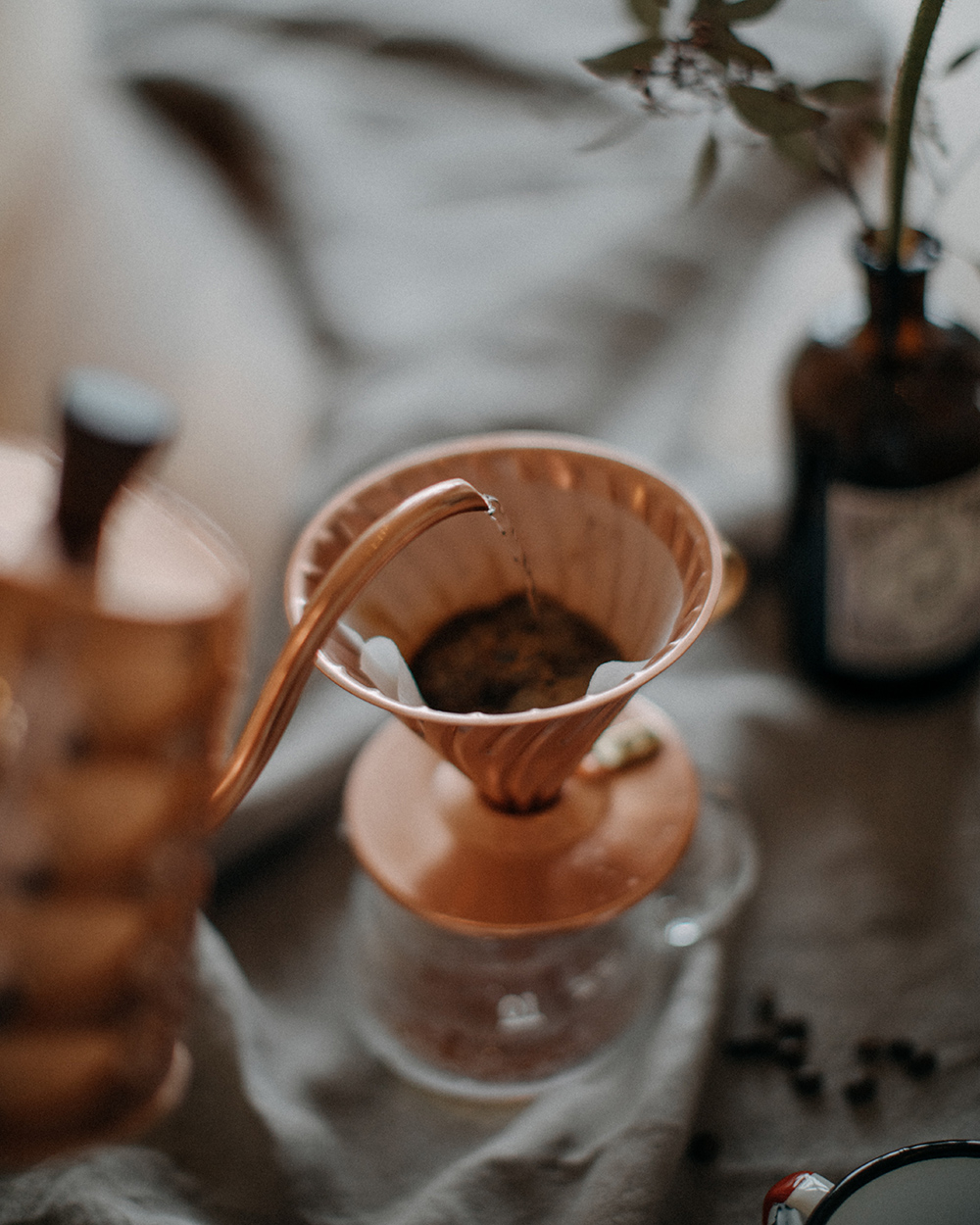
During brewing, proper extraction is crucial for achieving a balanced cup. If coffee is under-extracted—due to using too much water, brewing with water that is too cool, or grinding the beans too coarsely—it can result in an imbalanced, overly acidic taste.
This happens because flavors in coffee extract in stages: salty and acidic notes come first, while sweetness and bitterness emerge later. An under-extracted coffee may taste overly tart or sour because its natural sweetness remains locked in the beans. Such coffee often lacks body and depth, making it unpleasant to drink.
Acidity in coffee – how to navigate it?
Taste preferences are highly personal, so the key is to choose coffee that aligns with your own palate. If you dislike acidity—that’s perfectly fine! In that case, look for coffees labeled as having low acidity. Brazilian coffees or blends with robusta are often a good starting point. However, always refer to the producer’s tasting notes rather than relying solely on generalizations.
If your coffee consistently tastes too acidic, regardless of the beans used, consider evaluating your brewing method. Start by thoroughly cleaning your equipment, checking the water temperature, and adjusting the grind size.
On the other hand, if you're open to exploring different flavors, experimenting with various coffees can be a great adventure. If you're in a café, don’t hesitate to ask the barista for recommendations. When shopping in-store or online, keep in mind that medium or dark roast coffees generally have lower acidity, while light roast coffees tend to be brighter and fruitier.
Additionally, coffees from Brazil, Mexico, or Sumatra often feature a rich body with lower acidity. Blends containing robusta usually have bold, sometimes smoky flavors and are less acidic than 100% arabica coffees.
If you’d like to explore acidity more in-depth, consider testing different coffees with varying acidity levels. At Wysocki Coffee, we offer a Starter Selection, which includes four distinct coffees to help you better understand coffee flavors and acidity levels.
Enjoy your coffee!
